The complete guide to building muscle
Building muscle is not a mystery, and it is not reserved for people with rare genetics or unlimited time. It comes down to a handful of principles that have held up across decades of research and millions of trained lifters: challenge your muscles progressively, eat enough protein and total energy, and give your body time to recover. Everything else - the specific exercises, the split you follow, the supplements you may or may not take - is detail layered on top of those three pillars.
This guide is the map for that journey. It explains how muscle actually grows, how much and what to eat, how to choose a training split that fits your life, and how to train each major muscle group effectively. Think of it as the hub: once you understand the big picture here, you can dive deeper into focused guides for the chest, the back, and the legs, or sharpen specific skills like progressive overload and sets and reps.
How muscle actually grows
Muscle growth - hypertrophy - happens when you repeatedly challenge a muscle, then feed and rest it so it rebuilds slightly larger and stronger than before. The science points to a few drivers that matter most. The first is mechanical tension: the force your muscle produces against a meaningful load. This is the single most important stimulus, and it is why lifting challenging weights through a full range of motion works so well.
The second driver is training volume - the total amount of hard, productive work you do for a muscle each week, usually counted in challenging sets. More quality volume generally means more growth, up to a point your recovery can support. The third is progressive overload: gradually increasing the demand over time so the stimulus never goes stale. A muscle that faces the same weight for the same reps month after month has no reason to change. These ideas connect directly to your daily training, your food, and your sleep - they are not separate.
Eating to build muscle
You cannot build a wall without bricks, and you cannot build muscle without raw materials. Two numbers matter most: protein and total calories. Protein supplies the amino acids your body uses to repair and add muscle tissue. A practical target for most people training seriously is roughly 1.6 to 2.2 grams of protein per kilogram of body weight per day, spread across three to five meals.
Total energy matters just as much. To gain muscle efficiently, most people need a small calorie surplus - eating slightly more than they burn, often around 200 to 400 extra calories per day. Too large a surplus mostly adds fat; too small, and progress crawls. Carbohydrates fuel hard training and recovery, while fats support hormones and overall health. Our protein and recovery guide goes deeper, but the headline is simple: eat enough, prioritise protein, and stay consistent.
| Body weight | Daily protein (1.6–2.2 g/kg) | Practical meal split |
|---|---|---|
| 60 kg | 96–132 g | ~25–35 g across 4 meals |
| 75 kg | 120–165 g | ~30–40 g across 4 meals |
| 90 kg | 144–198 g | ~35–50 g across 4 meals |
Choosing a training split
A "split" is simply how you divide your training across the week. There is no single best split - only the one you will actually follow and that lets you train each muscle with enough quality volume and recovery. Beginners often thrive on full-body sessions two to three times a week, hitting every major muscle each time. As you advance and add volume, an upper/lower split (upper body one day, lower the next) or a push/pull/legs split spreads the work out and allows more sets per muscle.
The deciding factors are your available days and your recovery, not what advanced lifters post online. Three good full-body sessions beat five rushed, half-hearted ones. Whatever you choose, aim to train each major muscle group roughly twice a week - research consistently shows that splitting weekly volume across two sessions tends to edge out cramming it into one. When you are ready for a structured plan, the intermediate programs lay this out for you.
Training the major muscle groups
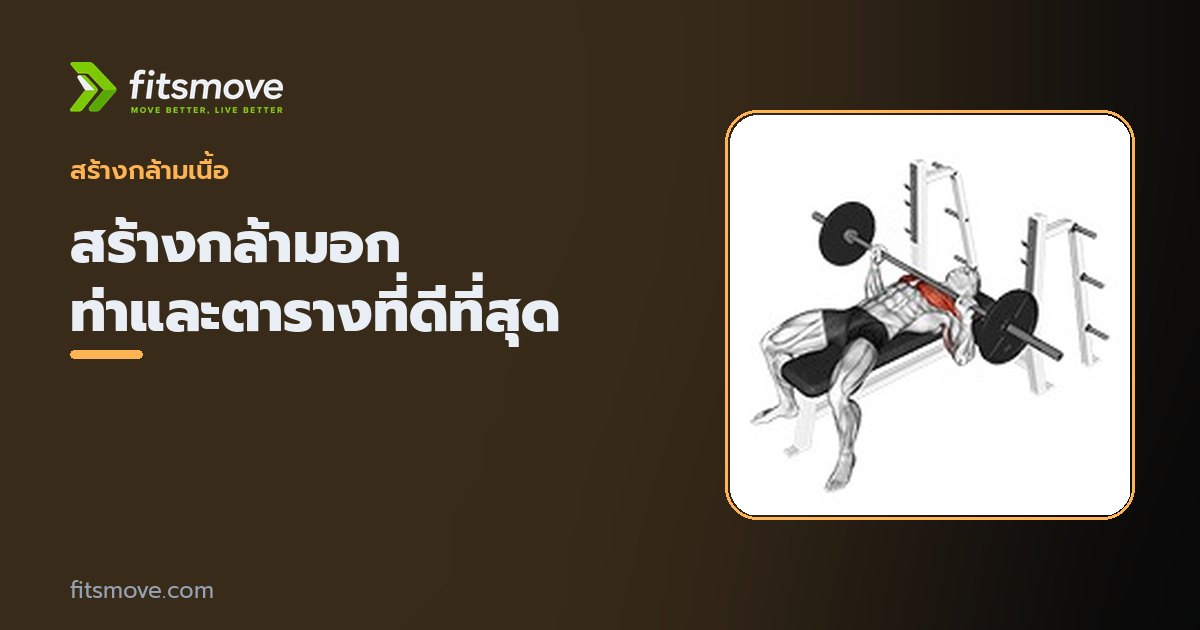
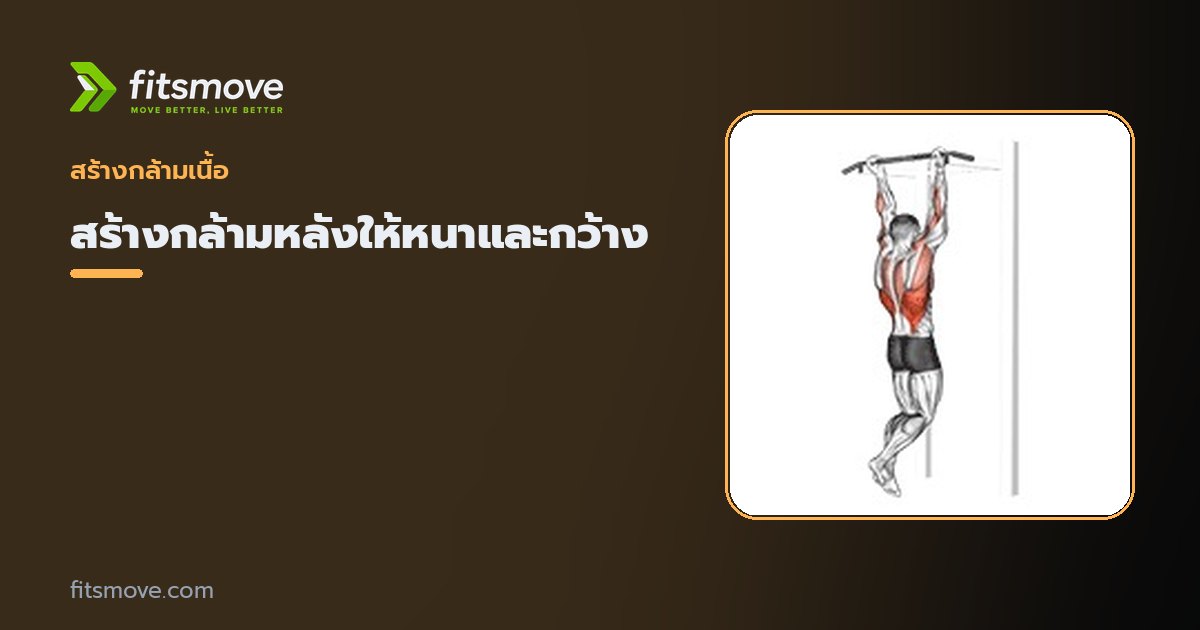
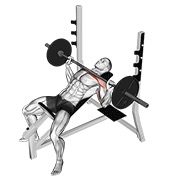
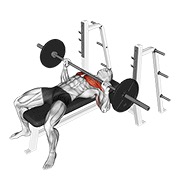
Every effective program is built around a small set of high-value movements that train large amounts of muscle at once, then rounds them out with targeted work. For the chest, the barbell bench press and incline bench press anchor your pressing, supported by the dumbbell fly and bodyweight push-ups. For the back, vertical pulls like the chin-up and lat pulldown build width, while rows such as the barbell bent-over row and seated cable row build thickness.
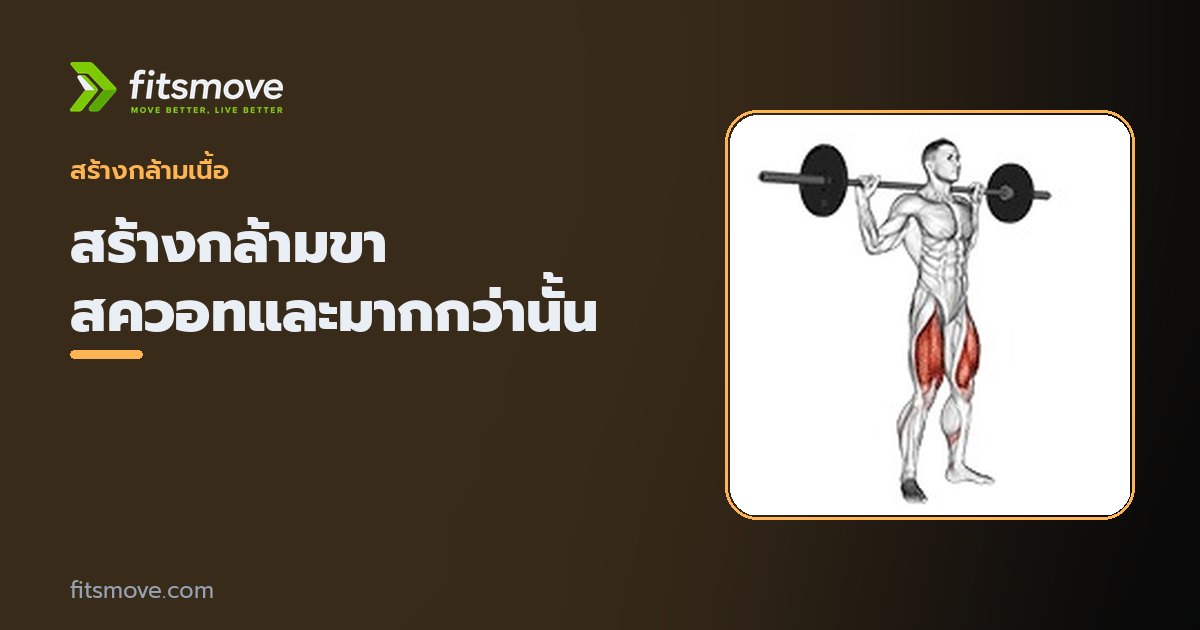
For the legs, the barbell full squat, Romanian deadlift, and forward lunge cover the quads, hamstrings, and glutes, with the standing calf raise for the lower legs. The shoulders respond to the seated overhead press and lateral raise, while the arms benefit from direct work like the biceps curl and triceps pushdown. Browse a full muscle group any time via chest, back, legs, or shoulders.
How to set sets, reps, and rest
For most muscle-building work, the sweet spot lives in the 6 to 15 rep range, taking each working set close to - but not to - total failure, leaving one to three reps in reserve. Lower reps with heavier loads lean toward strength; higher reps build endurance and add a different flavour of growth. The truth is that a wide range builds muscle well, provided the sets are genuinely challenging.
Rest two to three minutes between heavy compound sets so your strength recovers enough to keep the quality high, and one to two minutes on smaller isolation work. Aim for roughly 10 to 20 hard sets per muscle group per week as a starting band, building up gradually rather than jumping straight to the top. For a full breakdown, our sets and reps guide is the companion to this section.
Recovery: where growth happens
Training is the stimulus, but the actual building happens while you rest. Skimp on recovery and you cap your results no matter how hard you train. Sleep is the foundation - aim for seven to nine hours, since this is when most repair and hormone regulation occur. Manage overall stress, because chronic stress blunts recovery and appetite alike.
Give each muscle group around 48 hours before training it hard again, which is exactly why training twice a week works so cleanly with most splits. Listen to your body: persistent joint pain, dropping performance, and poor sleep are signals to back off, not push harder. Muscle is built in the kitchen and the bedroom as much as in the gym.
ข้อผิดพลาดที่พบบ่อย (Common mistakes)
- Program hopping. Switching plans every few weeks means you never apply enough progressive overload to any of them. Pick a plan and run it for months.
- Under-eating. Many people train hard but eat too little protein or too few total calories to grow. The scale and the mirror tell the truth over weeks.
- Chasing soreness instead of progress. Soreness is not a measure of a good workout. Tracked, rising performance is.
- Ignoring the big lifts. Endless isolation work without heavy compounds leaves most of your growth potential on the table.
- Neglecting recovery. Adding sets while cutting sleep is a recipe for stalling and injury.
คำถามที่พบบ่อย (FAQ)
How long until I see results? Most people notice strength gains within a few weeks and visible muscle within two to three months of consistent training and eating. Meaningful change is measured in months and years, not days.
Can I build muscle and lose fat at the same time? Beginners and those returning after a break often can. Lean, experienced lifters usually progress faster by focusing on one goal at a time. Either way, protein and progressive overload remain non-negotiable.
Do I need supplements? No. Food comes first. A few well-studied options like creatine and whey protein can be convenient, but they are minor compared to consistent training, enough protein, and sleep.
สรุป (Summary)
Building muscle is a long game won by getting the fundamentals right and repeating them. Challenge your muscles and progress the load over time, eat enough protein and total energy, train each muscle group about twice a week, and protect your recovery. Master those pillars and the details fall into place. Use the focused guides for chest, back, and legs to go deeper, and when you are ready for a structured plan, choose an intermediate program and start applying it today.
Ready to put this into action? Start with a program for your level.
View programs →