How to build a bigger chest
A full, well-developed chest is one of the most sought-after results in the gym - and one of the most misunderstood. People pile on endless bench press sets, wonder why their chest stays flat, and rarely stop to ask whether they are training the muscle through the right angles, in the right rep ranges, with steady progression. The chest responds beautifully when you give it those things, and stubbornly when you do not.
This guide cuts through the noise. You will get a short tour of chest anatomy so the exercise choices make sense, the core movements worth your time, clear guidance on sets and reps, a ready-to-use sample plan, and the mistakes that quietly hold most people back. For the full menu of options, browse the chest category any time.
A short tour of chest anatomy
The chest is dominated by the pectoralis major, a large fan-shaped muscle with two heads. The larger sternal head runs across the bulk of your chest, while the clavicular head is the upper portion near your collarbone. Both heads bring your upper arm across and in front of your body - the motion in every press and fly - but they are emphasised by different angles.
Flat pressing hits the chest broadly with a slight bias toward the sternal head. Incline pressing shifts more demand onto the upper, clavicular head, which is why people chasing a fuller "upper chest" prioritise inclines. There is also a smaller pectoralis minor beneath, but for building visible size, your training revolves around the pec major and the angles that load it fully. Understanding this is why a complete chest workout uses more than one angle.
The core movements
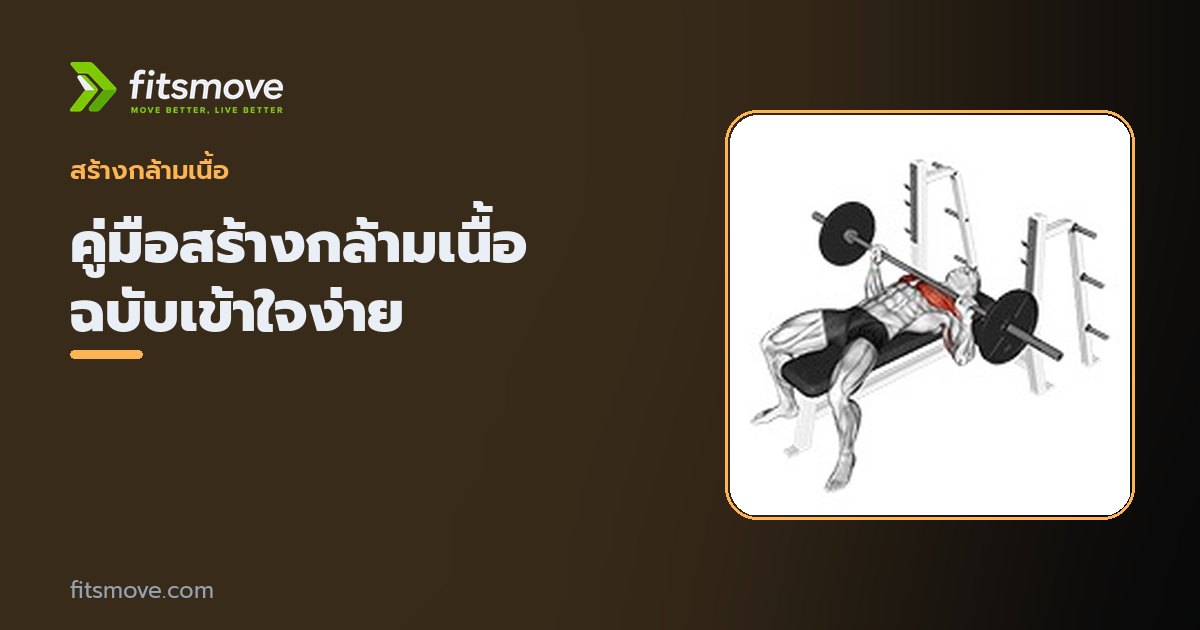
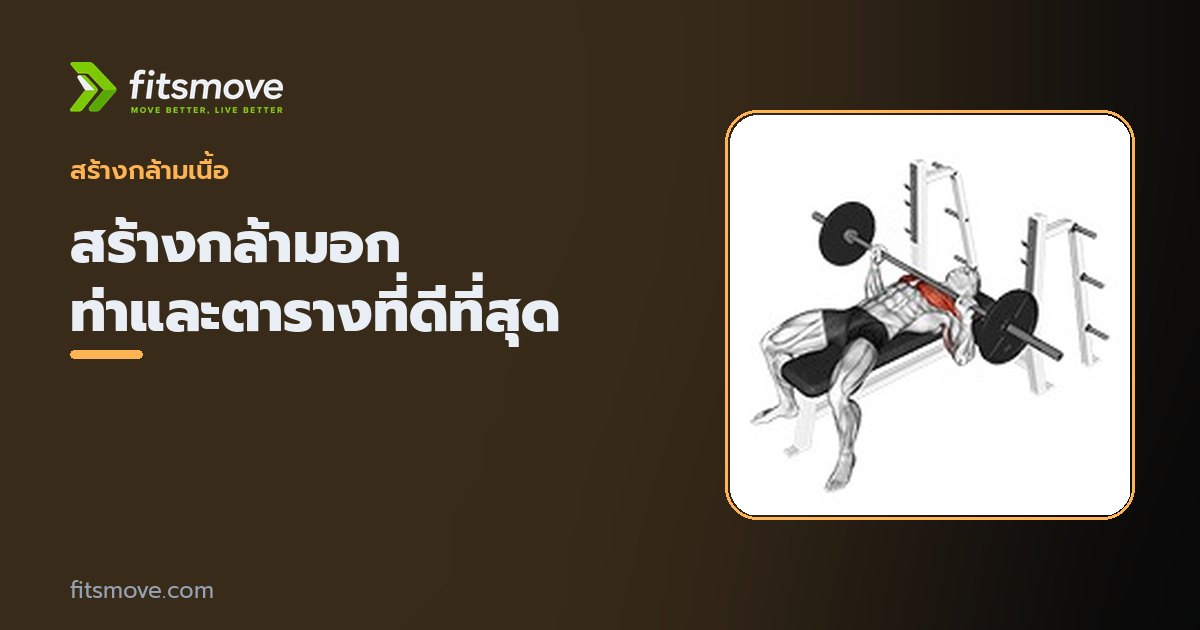
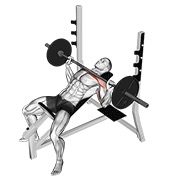
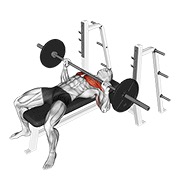
A handful of exercises do most of the work. The barbell bench press is the classic heavy pressing movement - it lets you load the chest heavily and progress over time, making it the backbone of most chest training. The incline bench press tilts the bench up to bias the upper chest, addressing the area most lifters wish they had more of.
The dumbbell incline bench press brings the same upper-chest emphasis with a greater range of motion and independent arms, which helps even out left-right differences. The dumbbell fly is an isolation movement that stretches and contracts the chest with the arms wide, training the muscle through its primary "hugging" action without the triceps taking over. And the humble push-up is a superb bodyweight option that builds real chest strength and works anywhere - never dismiss it as a beginner-only move.
How to set sets and reps
For chest growth, anchor your sessions with a heavy compound press in the 5 to 8 rep range to build strength and tension, then add volume with presses and flies in the 8 to 15 rep range. Take working sets close to failure - leaving one to three reps in reserve - but keep your form clean, since sloppy heavy pressing is where shoulders get hurt.
As a weekly target, aim for roughly 10 to 16 hard sets for the chest, split across two sessions for better results than one big day. Rest two to three minutes after heavy presses and one to two minutes on flies and lighter work. Progress using progressive overload: add a little weight or a rep whenever you hit the top of your range with good form. Our sets and reps guide explains the reasoning behind these numbers.
A sample chest plan
Here is a balanced chest session that covers both heads and both heavy and higher-rep work. Run it once or twice a week, progressing the loads over time.
| Exercise | Sets x Reps | Rest | Focus |
|---|---|---|---|
| Barbell bench press | 4 x 5–8 | 2–3 min | Heavy strength, overall chest |
| Incline bench press | 3 x 8–10 | 2 min | Upper chest |
| Dumbbell incline bench press | 3 x 10–12 | 90 sec | Upper chest, range of motion |
| Dumbbell fly | 3 x 12–15 | 60–90 sec | Stretch and contraction |
| Push-up | 2 x AMRAP | 60 sec | Volume finisher |
Beginners can simplify this to a heavy press, one incline movement, and one fly. The structure matters more than the exact exercise - heavy first, isolation last.
Programming chest into your week
Where chest day sits in your schedule depends on your split. On a push/pull/legs plan, chest trains with shoulders and triceps on push day. On an upper/lower plan, it shares the upper day with your back and arms. On full-body training, you simply include one or two chest movements each session. The goal in every case is the same: hit the chest about twice a week with enough quality sets and at least 48 hours of recovery in between.
Pay attention to your shoulders and elbows. Pressing is hard on these joints when volume climbs too fast, so build up gradually and keep technique sharp. If your front shoulders are taking over your presses, lighten the load, slow down, and focus on driving with the chest. Quality reps that you can recover from will always beat junk volume.
ข้อผิดพลาดที่พบบ่อย (Common mistakes)
- Only ever flat benching. Training a single angle leaves the upper chest underdeveloped. Include incline work.
- Bouncing the bar off the chest. Using momentum reduces tension on the muscle and risks injury. Control the weight.
- Flaring the elbows to 90 degrees. A more tucked elbow angle (roughly 45–70 degrees) protects the shoulders during pressing.
- Half range of motion. Cutting the bottom of the press or fly short robs the chest of its most productive stretch. Move through a full range you control.
- Chasing weight over form. Loading the bar beyond what you can press cleanly turns a chest exercise into a shoulder-and-ego exercise.
คำถามที่พบบ่อย (FAQ)
Can I build my chest with just push-ups? Beginners absolutely can. As you get stronger, push-ups alone become too easy, so you progress by elevating your feet, slowing the tempo, or adding load. Eventually, weighted pressing offers easier progression for size.
How do I target my upper chest? Prioritise incline pressing - both the barbell and dumbbell incline versions bias the upper, clavicular head far more than flat pressing.
My shoulders hurt when I bench. What now? Reduce the load, tuck your elbows more, control the descent, and avoid pressing into pain. Persistent joint pain is a signal to adjust technique and volume, not to push through.
สรุป (Summary)
A bigger chest comes from training both heads through a full range of motion, mixing heavy presses with higher-rep work, hitting the muscle about twice a week, and progressing steadily over months. Use a heavy press, an incline movement, and a fly as your foundation, keep your form clean, and let progressive overload do the slow, reliable work. Ready to fit this into a complete routine? Pick a structured intermediate program and put your chest training on autopilot.
Ready to put this into action? Start with a program for your level.
View programs →