The best home workout plan
The best home workout plan is not the fanciest one. It is the one you can repeat week after week without a gym, without a long commute, and without a pile of equipment you never use. With nothing but your body weight and a small amount of space, you can train every major movement pattern, build real strength, and lose fat if that is your goal. This guide gives you a complete whole-body plan built around a clear weekly schedule, shows you exactly how to progress at home, and explains which optional add-ons are worth it once you outgrow bodyweight alone.
Why a home plan works
Muscles do not know whether resistance comes from a barbell or from your own body. What they respond to is tension through a full range of motion, applied consistently and made slightly harder over time. Your body supplies plenty of that resistance through squats, push-ups, and hinges, and you can scale every one of those movements up or down. Training at home also removes the two biggest reasons people quit: travel time and intimidation. When the workout is waiting in your living room, showing up is easy. For a wider look at the case for training without gear, read our home workout with no equipment guide and the full-body bodyweight overview.
The movements that cover your whole body
A complete session hits five patterns: squat, hinge, push, pull, and core. Cover all five and you have trained everything that matters.
- Squat: the push-up is for the upper body, but for legs the bodyweight squat and later the jump squat load your legs and glutes.
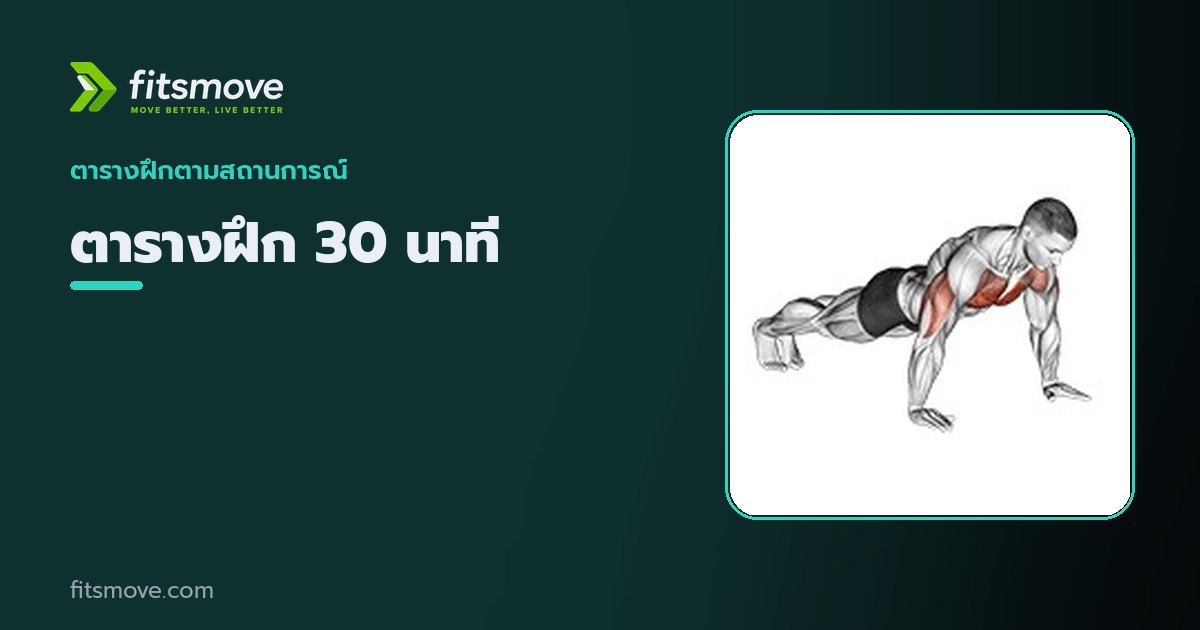
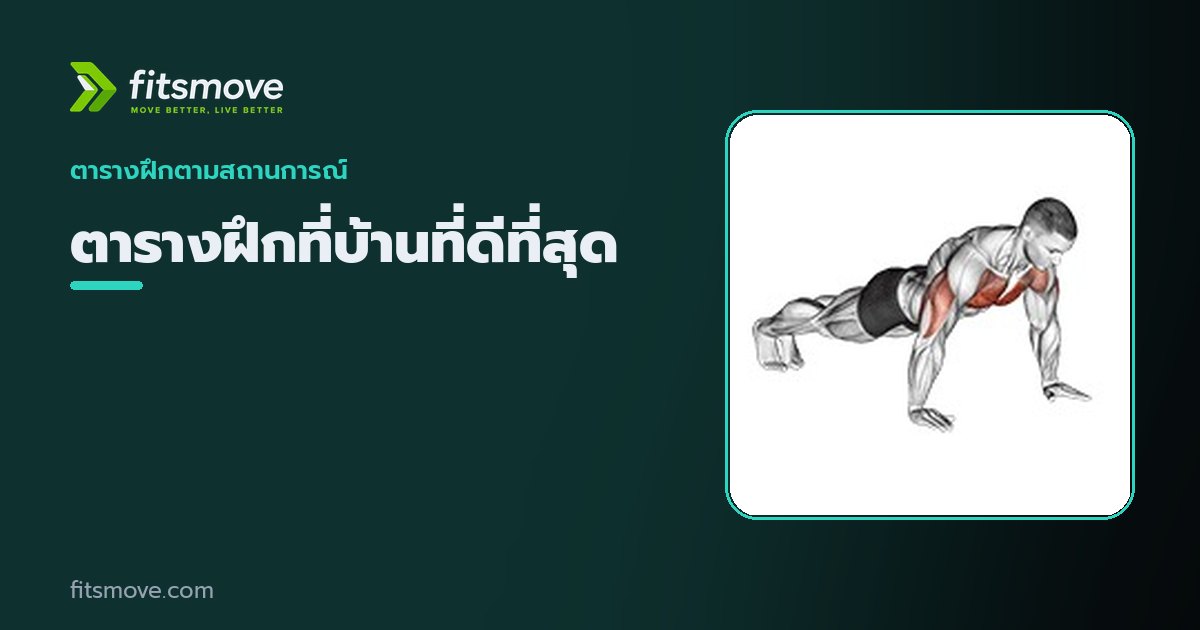
- Push: the push-up develops your chest, front shoulders, and triceps.
- Hinge: a single-leg or hip-bridge movement trains the back of your legs and your glutes while protecting the lower back.
- Pull: a doorway row or towel row hits your back; if you own a bar, add pull-ups.
- Core: the plank braces your trunk and teaches you to stay stiff under load.
For conditioning, a round of mountain climbers or burpees raises the heart rate and finishes a session with a fat-burning push.
Warm up before every session
Spend three to five minutes preparing your body. Raise your heart rate with light marching or easy cardio, then run a few reps of the day's movements with no added difficulty to groove the pattern. This primes your joints and rehearses good form so the working sets feel controlled. For a full routine, see our warm-up guide.
A sample weekly schedule
The most reliable structure for a home lifter is three full-body sessions on non-consecutive days, with light activity or rest between them. Here is a week you can start today.
| Day | Focus | Main work |
|---|---|---|
| Monday | Full body | Squat, push-up, hinge, row, plank |
| Tuesday | Rest or walk | Easy movement only |
| Wednesday | Full body | Squat, push-up, hinge, row, plank |
| Thursday | Rest or walk | Easy movement only |
| Friday | Full body + finisher | Same lifts, add mountain climbers |
| Saturday | Optional cardio | 20-30 min brisk walk or light jog |
| Sunday | Rest | Full recovery |
In each session, do three sets of every main movement. Beginners aim for 8 to 12 clean reps per set, resting 45 to 90 seconds. The whole session, warm-up included, fits in 35 to 45 minutes.
How to progress at home
The mistake most home trainees make is doing the same reps forever. Your body adapts, so you must keep asking for a little more. This is progressive overload, and without added weight you have plenty of levers.
| Lever | How to apply it |
|---|---|
| More reps | Add 1-2 reps per set each week until you reach the top of the range |
| More sets | Add a fourth set once three feel easy |
| Harder variation | Move from knee push-ups to full, then to feet-elevated |
| Slower tempo | Lower for three seconds to increase time under tension |
| Less rest | Trim rest by 10-15 seconds to raise the challenge |
Change one variable at a time so you can tell what is working. When a movement feels genuinely easy at the top of its range with clean form, that is your cue to make it harder.
Optional add-ons when bodyweight feels light
You never need equipment, but a few cheap items extend your progress for years. A resistance band adds pulling load and lets you regress or progress push movements; see our resistance band training guide. A single pair of dumbbells opens up loaded squats and rows, covered in our full-body dumbbell plan. If you plan to build a small setup over time, the budget home gym article shows what to buy first and what to skip.
Structure your training week
Consistency beats perfection. Pick a schedule you can actually keep, whether that is the three-day plan above or a lighter two-day full-body plan during busy weeks. Leave at least one day between sessions that train the same muscles, because growth happens during recovery. Keep the plan stable for four to six weeks so your numbers can climb, then reassess. If you would rather follow a guided structure, our home bodyweight program lays out the work for you, and the beginner track is a gentle entry point.
ข้อผิดพลาดที่พบบ่อย
- Chasing new routines every week. Progress comes from repeating and improving one plan, not from constant novelty.
- Skipping the pull. Home lifters often push but never row, which builds imbalance. Train your back every session.
- Never making it harder. If reps and difficulty never change, your body will not either. Add a lever each week.
- Rushing the reps. Fast, sloppy reps train momentum, not muscle. Control the lowering phase.
- No warm-up. Cold joints under load invite strain. Spend a few minutes preparing.
คำถามที่พบบ่อย (FAQ)
Can I really build muscle at home with no equipment? Yes. As long as you train through a full range and progress over time, bodyweight movements build a strong, balanced body, especially for beginners and intermediates.
How many days a week should I train at home? Three full-body sessions on non-consecutive days is ideal. If life is busy, two well-executed sessions still keep you progressing.
When should I add equipment? Add a band or a pair of dumbbells when the hardest bodyweight variation of a movement feels easy at the top of its rep range with clean form.
สรุป
The best home workout plan is a simple full-body routine you repeat three times a week, warm up for, and make slightly harder each week. Cover squat, hinge, push, pull, and core, control every rep, and add a lever when it feels easy. Add a band or dumbbells only when you outgrow bodyweight. When you want a guided structure to follow, explore our home bodyweight program. If anything causes sharp pain, stop and consider checking with a professional.
Ready to put this into action? Start with a program for your level.
View programs →