Training with minimal equipment
You do not need a full gym to train well. Three small items cover every movement pattern your body needs: a pair of dumbbells, a resistance band, and a pull-up bar. Together they cost less than a few months of a gym membership, fit in a closet, and let you squat, press, pull, hinge, and brace with real load. This guide shows you how each piece contributes, gives you a complete sample plan, and explains how to keep progressing so your minimal setup keeps delivering results for years.
Why minimal equipment is enough
Muscle responds to loaded movement through a full range, repeated and made harder over time. A small kit supplies all of that. Dumbbells load the big compound lifts. A band adds tension where dumbbells are awkward and lets you scale movements up or down. A pull-up bar gives you the one thing bodyweight training usually lacks, a hard vertical pull. With those three tools you can train every pattern a well-equipped gym would. For related reading, see our resistance band training guide and the budget home gym article on what to buy first.
What each tool covers
Think of your kit as three complementary pieces rather than three separate tools.
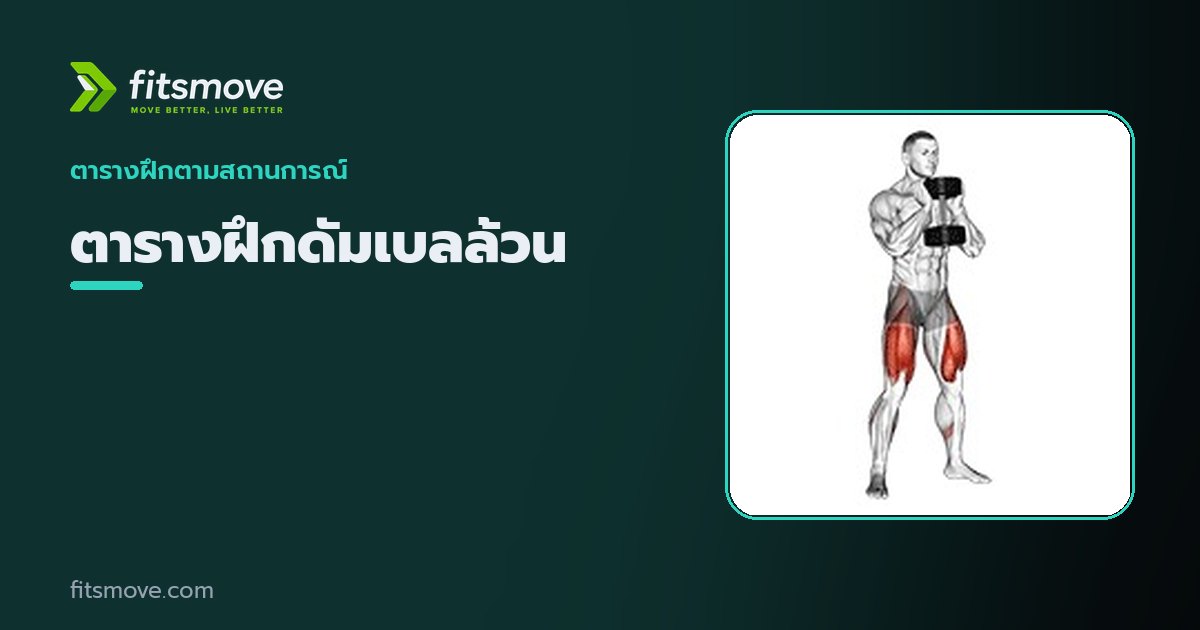
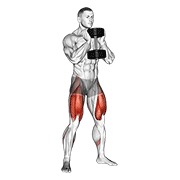
- Dumbbells: load the goblet squat for legs, plus presses and rows for the upper body. See our full-body dumbbell plan.
- Resistance band: adds pulling load, assists or resists presses, and trains your shoulders and rear back through face pulls and band rows.
- Pull-up bar: delivers the hard vertical pull for your back and arms; use a band for assistance until you can do full reps.
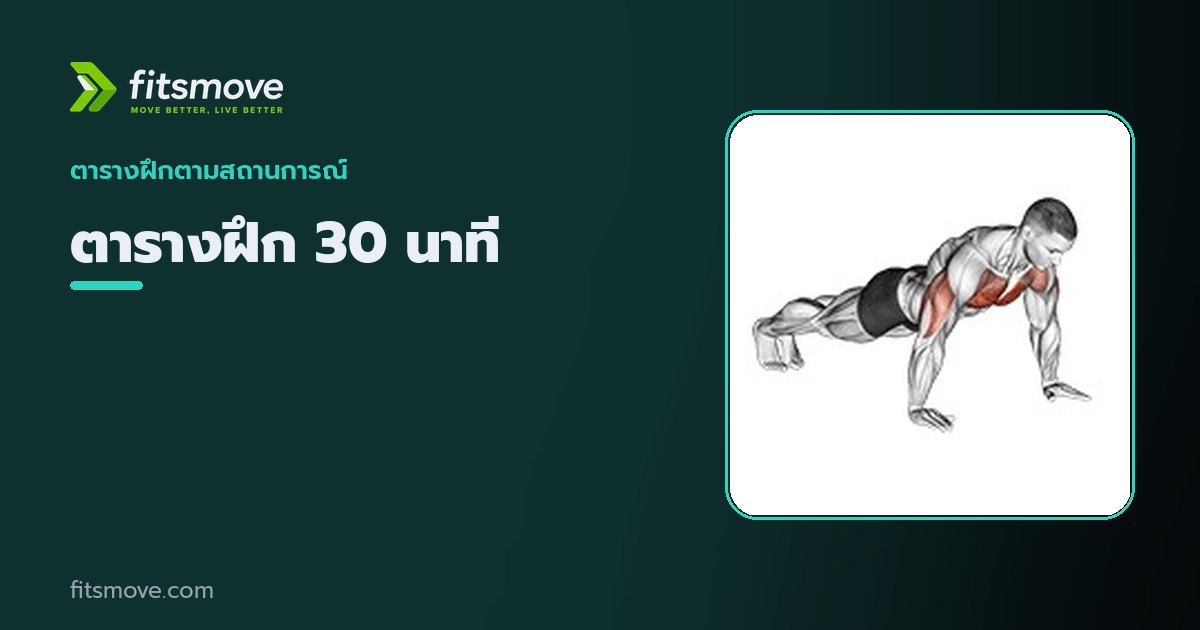
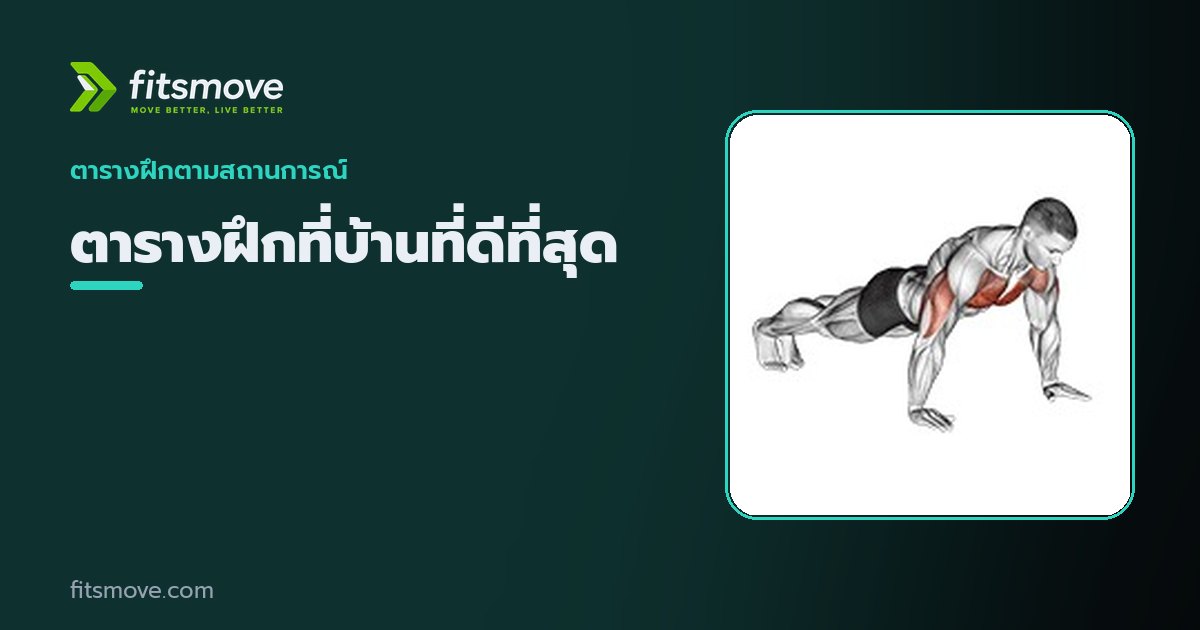
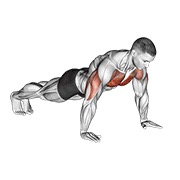
- Your body: the push-up covers the chest, and the plank braces your trunk.
How to combine the tools in one session
The advantage of a small kit is that the pieces overlap and cover each other's blind spots, so a single session flows without gaps. Lead with the dumbbells on the biggest lifts, because those demand the most from you and deserve your freshest energy. Use the goblet squat and a dumbbell press early, when your form is sharpest and you can move real load. Once the heavy compound work is done, bring in the pull-up bar for your vertical pull, adding band assistance so you can hit clean reps even before you can do bodyweight pull-ups. Then reach for the band on the movements where dumbbells feel awkward, such as face pulls for the rear shoulders or band rows that let you feel the squeeze at the top. Finish with a bodyweight core hold like the plank, which needs no equipment and asks your trunk to stay stiff after everything else has tired. Ordering the work this way means each tool does the job it is best at, and no muscle group gets skipped because a movement felt inconvenient. If you only have twenty minutes, keep the two dumbbell compounds and the pull, and drop the accessory band work rather than rushing every lift.
Warm up first
Spend three to five minutes preparing your body. Raise your heart rate with light cardio like marching or a few mountain climbers, then run a few reps of the day's movements with light load to groove the pattern. This primes your joints and rehearses good form. For a full routine, see our warm-up guide.
A sample weekly plan
Three full-body sessions on non-consecutive days make the most of a small kit. Here is a week you can start today.
| Day | Focus | Main work |
|---|---|---|
| Monday | Full body | Goblet squat, push-up, band row, pull-up, plank |
| Tuesday | Rest or walk | Easy movement only |
| Wednesday | Full body | Goblet squat, DB press, band face pull, RDL, plank |
| Thursday | Rest or walk | Easy movement only |
| Friday | Full body + finisher | Same lifts, add mountain climbers |
| Saturday | Optional cardio | 20-30 min brisk walk or light jog |
| Sunday | Rest | Full recovery |
Do three sets of each main movement, aiming for 8 to 12 clean reps, resting 60 to 90 seconds. Use band assistance on the pull-up until you can manage several unassisted reps. The whole session fits in 40 to 50 minutes.
How to progress with a small kit
A minimal kit still gives you plenty of ways to make things harder over time. This is progressive overload, and you apply it across all three tools.
| Tool | How to progress |
|---|---|
| Dumbbells | Add reps, then step up to a heavier pair or slow the tempo |
| Band | Use a thicker band, shorten it, or move to a single limb |
| Pull-up bar | Reduce band assistance, then add reps, then add pauses |
| Bodyweight | Elevate the feet, slow the lowering, or add a band for resistance |
Change one variable at a time so you can tell what is working. When a movement feels genuinely easy at the top of its range with clean form, that is your cue to make it harder.
Structure your training week
Consistency matters more than the size of your kit. Pick a schedule you can keep, whether that is the three-day plan above or a lighter two-day full-body plan in a busy stretch. Leave at least one day between sessions that train the same muscles, because growth happens during recovery. Keep the plan stable for four to six weeks so your numbers can climb, then reassess. If you would rather follow a guided structure, our home bodyweight program organizes the work and adapts easily to a small kit.
ข้อผิดพลาดที่พบบ่อย
- Buying more before using what you have. A small kit, trained hard and progressed, beats a room of unused gear.
- Skipping the vertical pull. The pull-up bar is the piece that fills the biggest bodyweight gap. Use it.
- Never progressing the band. Bands wear in and feel easy fast. Move to a thicker band or shorten it.
- Ignoring form to add load. If form breaks, the load teaches bad habits. Earn every step up.
- No warm-up. Cold joints under load invite strain. Spend a few minutes preparing.
คำถามที่พบบ่อย (FAQ)
Can I build muscle with just dumbbells, a band, and a bar? Yes. Those three tools cover every movement pattern. Trained through a full range and progressed over time, they build a strong, balanced body.
What should I buy first if I have nothing? Start with one pair of dumbbells and a band, then add a pull-up bar. Our budget home gym guide walks through the order.
How many days a week should I train? Three full-body sessions on non-consecutive days is ideal. Two well-executed sessions still keep you progressing in a busy week.
สรุป
A pair of dumbbells, a resistance band, and a pull-up bar cover every pattern your body needs: squat, hinge, push, pull, and core. Warm up, train each tool with clean form, and add a lever whenever a movement feels easy. Minimal equipment, used consistently and progressed, delivers real results for years. When you want a guided structure to follow, explore our home bodyweight program. If anything causes sharp pain, stop and consider checking with a professional.
Ready to put this into action? Start with a program for your level.
View programs →