Building a budget home gym
The idea that you need an expensive membership or a room full of machines to get fit is one of the most persistent myths in training. The truth is that a small budget, spent well, can build a home setup that covers strength, muscle, and conditioning for years. The trick is knowing which pieces give the most return for each baht, and buying them in the right order rather than grabbing whatever looks impressive.
This guide ranks the essentials by value, splits the budget into clear tiers so you can start where you are, gives you a shopping table to plan from, and walks through the buying mistakes that drain money. Whether you have a corner of a bedroom or a spare garage, you will finish with a clear plan. For the workouts that go with it, pair this with our full-body dumbbell and bodyweight routines.
Start with what your body can do
Before spending anything, remember that your own bodyweight is the cheapest and most underrated piece of equipment you own. Push-ups, squats, lunges, and planks build real strength and need no gear at all. A complete beginner can make months of progress on bodyweight alone, which means your first investment is time, not money. Our bodyweight routine shows how far this can take you.
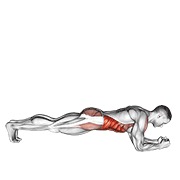
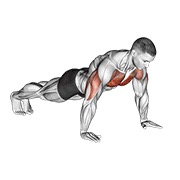
Treating bodyweight as the base does two things. It gets you training immediately while you research purchases, and it builds the movement quality that makes later equipment safer to use. Many people rush to buy gear, then realize they cannot yet control a squat or hold a plank. Spend the first few weeks earning your form, and every piece you add afterwards will pay off faster.
There is also a budgeting lesson here. By proving to yourself that you will actually train before spending a single baht, you avoid the most common waste of all: gear bought in a burst of motivation and abandoned a month later. The habit comes first, the equipment second. Trainers who follow that order almost never regret a purchase, because by the time they buy, they already know exactly how they will use it.
The most valuable purchase: adjustable dumbbells
If you buy one thing, make it a pair of adjustable dumbbells. A single set replaces a whole rack of fixed weights, scales as you get stronger, and trains nearly every muscle in the body. Presses, rows, curls, lunges, and shoulder work all run from one pair, which is why dumbbells top every value ranking for home training. The dumbbell biceps curl is just one of dozens of moves they unlock.
The reason they rank so high is range. A fixed dumbbell does one weight; an adjustable pair covers a wide span in a single footprint, which matters when floor space is tight and budget is tighter. Buy a set whose range suits your current strength with room to grow, and you will not outgrow it for a long time. If you are unsure how heavy to go, our guide on how to choose dumbbell weight walks you through it.
Next: resistance bands and a mat
After dumbbells, resistance bands give the most value for the least money and space. They add tension where dumbbells fall short, travel anywhere, and are gentle on the joints, making them ideal for warm-ups, pulling movements, and assistance work. A set of looped bands costs little and lasts for years. Our resistance band training guide shows how much you can do with them alone.
An exercise mat is the third piece, cheap but quietly essential. It protects your back and knees during floor work, gives grip for push-ups and planks, and makes training at home far more comfortable. These two items together cost less than a month of gym membership in many places, yet they meaningfully expand what your dumbbells can do.
A small detail that pays off is choosing a band set with several tension levels rather than a single band. Light bands suit warm-ups and shoulder work, while heavier ones can stand in for rows and assisted pull-ups. Having a range means one purchase keeps working as you get stronger, the same value logic that makes adjustable dumbbells so worthwhile. Anchor a band to a sturdy door or a low fixed point and you suddenly have rows, pull-aparts, and pressing variations with no extra cost.
When to add a barbell
A barbell and plates are the biggest jump in both cost and capability. They are not a first purchase, but once you can handle heavier loads than your dumbbells allow, a barbell unlocks the squat, deadlift, and heavy press that build serious strength. The catch is that it also needs space, a sturdy floor, and usually a rack for safety, which pushes it into a higher budget tier.
The honest advice is to delay the barbell until you have outgrown lighter tools and are committed to long-term training. Many people buy one too early, then leave it gathering dust. If and when you are ready, treat it as a deliberate upgrade rather than a starter item. Until then, dumbbells and bands cover the vast majority of what most home trainers need.
A tiered shopping plan
Here is how the essentials line up by budget, so you can start at any level and add as funds allow.
| Tier | Budget feel | What to buy | Why |
|---|---|---|---|
| 1 | Free | Bodyweight only | Builds the base, no cost |
| 2 | Low | Adjustable dumbbells | Trains the whole body |
| 3 | Low | Resistance bands + mat | Adds tension and comfort |
| 4 | Medium | Adjustable bench | Unlocks more angles |
| 5 | Higher | Barbell, plates, rack | Heavy strength work |
Work down the list in order. Each tier is useful on its own, so there is no need to wait until you can afford the whole list. Buy tier two, train hard, and add the next tier when it genuinely limits you, not before.
ข้อผิดพลาดที่พบบ่อย (Common mistakes)
- Buying machines first. Single-purpose machines cost a lot, eat space, and train one thing. Versatile free weights give far more per baht.
- Overspending on a treadmill early. Cardio gear is bulky and often abandoned. Running outside or a band circuit costs nothing to start.
- Choosing dumbbells that are too light. Buy a range you can grow into, or you will repurchase within months.
- Skipping the mat. A cheap mat prevents sore joints and makes you far more likely to actually train.
- Buying everything at once. Spreading purchases across tiers lets you learn what you really use before spending more.
คำถามที่พบบ่อย (FAQ)
What is the single best piece of home gym equipment? A pair of adjustable dumbbells. One set trains nearly the whole body, scales with your strength, and fits a small space, which makes it the best value purchase you can make.
Can I build muscle with just dumbbells and bands? Yes. For most people, dumbbells and bands provide more than enough load and variety to build muscle for a long time. A barbell becomes useful later, but it is not required to start.
How much space do I really need? Enough to lie down and swing your arms freely. A corner of a room handles bodyweight, dumbbells, and bands. Only a barbell setup demands a dedicated area.
สรุป (Summary)
A great home gym is built on value, not on spending. Start free with bodyweight, then invest in adjustable dumbbells as your most valuable purchase, add resistance bands and a mat for cheap versatility, and only step up to a bench and barbell when lighter tools genuinely limit you. Buy in tiers, avoid the common traps, and you will train well for years on a modest budget. Ready for routines to match your setup? Browse our programs and pair this with the full-body dumbbell and bodyweight guides.
Ready to put this into action? Start with a program for your level.
View programs →