EZ bar vs straight bar: which to choose
Stand in front of the bar rack and you will usually find two curl bars side by side: a long straight one and a shorter bar with a wavy bend in the middle. They look similar enough that many lifters grab whichever is free and never think about it again. But that bend is not decoration. It changes the angle of your wrists, shifts where the work lands on the biceps and triceps, and can be the difference between a comfortable set and an aching joint.
This guide explains exactly how the two bars differ, what each one does to the wrist, biceps, and triceps, and when to reach for one over the other. You will get a clear comparison table and the mistakes that make people blame the exercise when the bar choice was the real problem. For how these bars fit alongside dumbbells and the big lifts, pair this with our barbell big 3 guide.
What is the difference in grip?
The straight bar forces a fully supinated grip, meaning your palms face directly up and your forearms are flat. This places the wrists in a fixed position for the whole movement. The EZ bar, with its angled bends, lets your hands sit at a slight diagonal, somewhere between palms-up and palms-facing. That small rotation is the entire point of the design.
Why does a few degrees matter? Because the wrist and elbow are linked. When you force the palms fully up on a straight bar, the forearm bones cross and the wrist is pulled into its end range. For some people that is fine; for others it creates strain that builds across a set. The EZ bar's angle lets the wrist sit in a more neutral position, relieving that tension while still working the same muscles.
Effect on the wrists
The clearest difference between the two bars is what they do to your wrists. On a straight bar, the locked supinated grip is the most demanding position for the wrist joint. Lifters with flexible, healthy wrists often handle it without complaint, and the straight bar gives them a strong, stable platform. But anyone who feels pinching or aching during straight-bar curls is usually fighting their own anatomy, not weakness.
The EZ bar exists largely to solve this. By letting the wrists angle inward, it removes much of the strain while keeping the load on the target muscle. If straight-bar curls or skull crushers leave your wrists sore, switching to the EZ bar often makes the discomfort vanish without sacrificing the exercise. For most people with cranky wrists, the EZ bar is simply the more sustainable choice over months of training.
It is worth being honest about why this matters so much. Wrist discomfort rarely stops a single set, but it quietly caps how hard you are willing to push over weeks and months. If a movement nags at a joint, you instinctively use less weight, cut reps short, or skip the exercise altogether. The EZ bar removes that hidden brake, and over a long training career the ability to keep loading the arm without joint complaints often matters more than the small difference in biceps stretch.
Effect on the biceps and triceps
The grip angle also shifts emphasis within the muscles. A straight bar's full supination maximizes the stretch and contraction of the biceps, because the biceps both bends the elbow and turns the palm up. This is why the straight-bar curl is often considered the purest biceps builder when the wrists tolerate it. The fully supinated position simply asks more of the muscle.
The EZ bar, with its semi-rotated grip, shares the work slightly differently. It still trains the biceps hard but brings the brachialis and forearm muscles a little more into play, which some lifters find builds fuller-looking arms. On triceps work like the lying extension, the EZ bar's angle is gentler on both wrists and elbows, which is why many people prefer it there. The straight bar remains excellent for pressing-style triceps work and for anyone chasing maximum biceps stretch.
When to choose each bar
The decision comes down to your joints and your goal. If your wrists are comfortable in full supination and you want the strongest possible biceps stimulus, the straight bar is a fine first choice. If you feel any wrist strain, or if you are doing higher reps where small discomforts compound, the EZ bar will usually let you train harder for longer.
| Factor | Straight bar | EZ bar |
|---|---|---|
| Wrist comfort | Demanding | Easier |
| Biceps stretch | Maximum | Slightly less |
| Forearm involvement | Lower | Higher |
| Best for triceps extensions | Good | Better |
| Joint-friendly for high reps | Less | More |
A practical approach is to use both. Lead heavy curls with whichever bar your wrists prefer, then vary the other across the week to share the load and train the arm from two slightly different angles. Neither bar is wrong, and rotating them keeps the joints fresh.
How they fit with other arm work
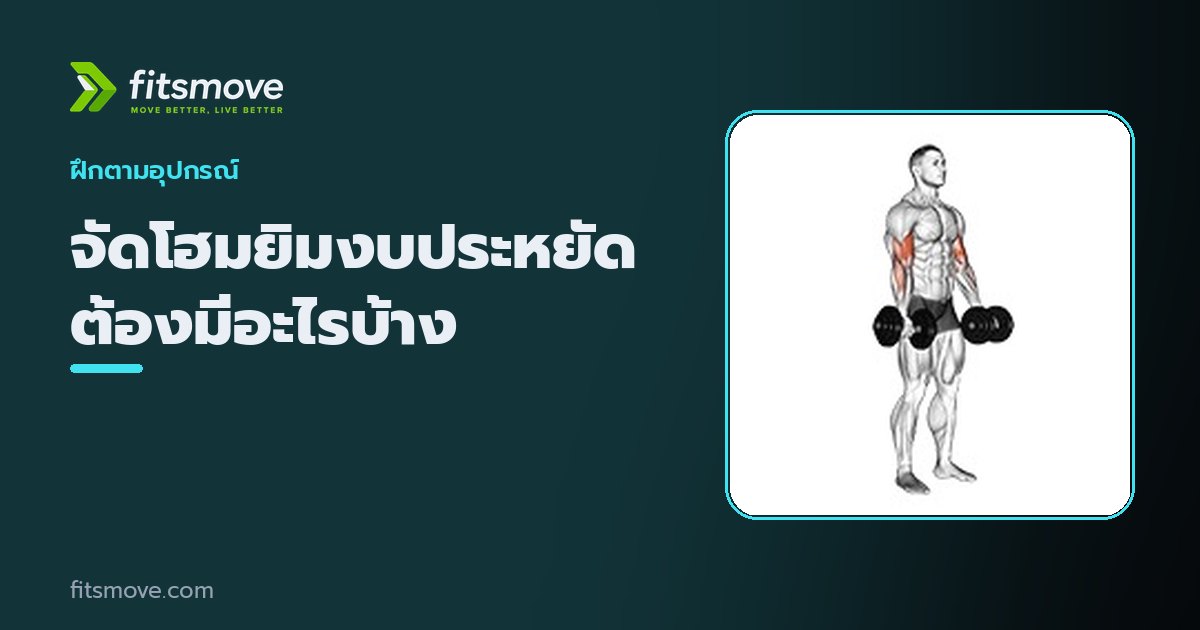
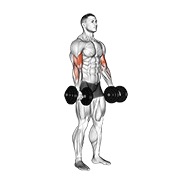
Bars are only one tool for the arms, and they work best alongside others. Dumbbells let each arm rotate freely and move independently, which fixes side-to-side imbalances that a fixed bar can hide. The dumbbell biceps curl is the natural partner to any bar curl, giving the wrist total freedom and letting you supinate as hard as your own anatomy allows.
Cables add constant tension at a third angle, and pressing work for the chest indirectly builds the triceps too. The point is that no single bar does everything. Pick the bar that suits your wrists for direct work, then round out the arm with dumbbells and cables so every angle gets covered. This variety is what builds complete, balanced arms over time.
ข้อผิดพลาดที่พบบ่อย (Common mistakes)
- Ignoring wrist pain. Pushing through straight-bar discomfort instead of switching to the EZ bar risks a nagging injury. Let the bar fit your joints.
- Assuming one bar is always better. Each has strengths. The straight bar maximizes biceps stretch; the EZ bar spares the wrists. Use the right one for the job.
- Swinging the bar. Heaving with the back turns either curl into a momentum exercise. Control the weight and keep the elbows still.
- Going too heavy on extensions. Skull crushers with too much weight strain the elbows. The EZ bar helps, but load still matters.
- Using only one bar forever. Rotating bars and adding dumbbells trains the arm from more angles and keeps the joints fresh.
คำถามที่พบบ่อย (FAQ)
Is the EZ bar better than the straight bar? Neither is better overall. The EZ bar is easier on the wrists and slightly more forearm-friendly, while the straight bar gives the fullest biceps stretch. The right choice depends on your joints and your goal.
Which bar should I use if my wrists hurt? The EZ bar. Its angled grip lets the wrists sit in a more neutral position, which removes most of the strain that a straight bar can cause during curls and extensions.
Can I build big arms with just one of them? Yes, either bar will build your arms if you progress the load over time. Adding dumbbell curls and cables alongside it simply covers more angles and produces more balanced development.
สรุป (Summary)
The EZ bar and the straight bar are not rivals so much as tools for different jobs. The straight bar locks the wrists in full supination for the strongest biceps stretch, while the EZ bar angles the grip to spare the wrists and bring the forearms in. Choose by your joints and goal, rotate them across the week, and add the dumbbell curl and cable work to cover every angle. Ready to put smart arm training into a full plan? Browse our intermediate programs and pair this with the barbell big 3 guide.
Ready to put this into action? Start with a program for your level.
View programs →