6 fundamental exercises every beginner should know
You do not need a hundred exercises to get strong. The human body moves in a handful of basic patterns, and if you can perform each one well, you cover nearly every major muscle group. Learn these six fundamentals - squat, push, pull, hinge, core, and overhead press - and you have a complete, balanced foundation that will serve you for years, whether you train at home with minimal equipment or in a fully stocked gym.
Why focus on patterns instead of a long list of individual exercises? Because patterns transfer. Once you own the squat pattern, dozens of squat variations become easy to learn. Mastering the movement, not memorizing the name, is what builds real, lasting capability. It also keeps your training balanced: by covering all six, you train your body the way it is designed to move and avoid the lopsided, injury-prone development that comes from cherry-picking only the exercises you enjoy. Below, each pattern includes a beginner-friendly starting exercise, the muscles it trains, and the key cues that keep it safe and effective. Read each one, then try it with little or no weight before loading up - the goal at first is to feel the right muscles working, not to lift heavy.
1) Squat - bending the knees and hips
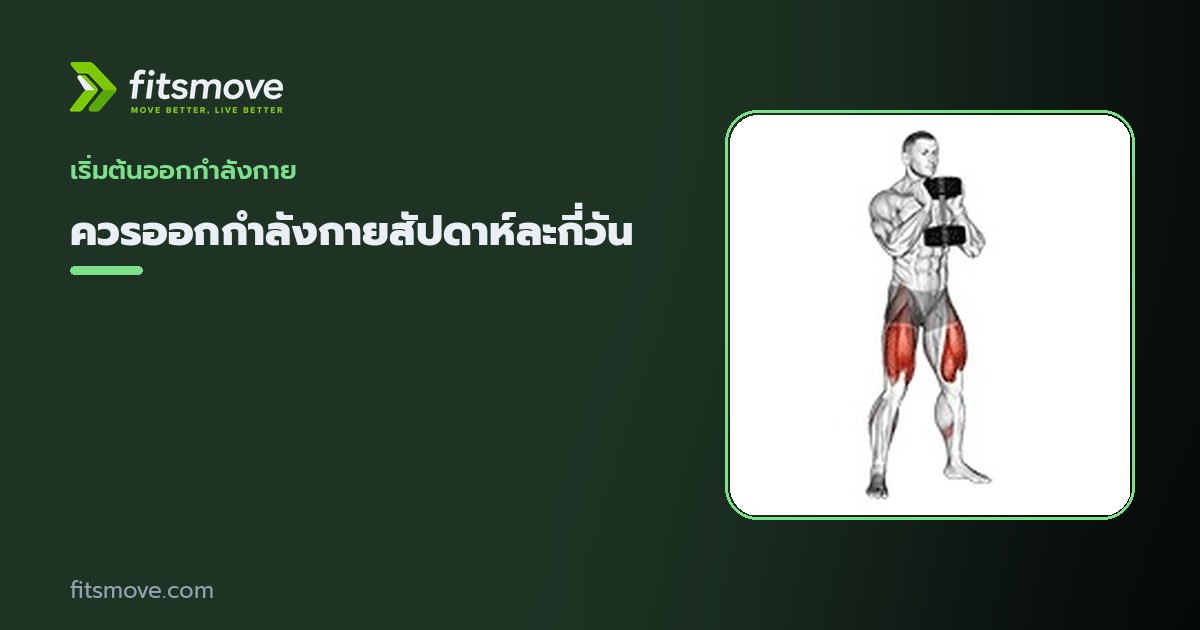
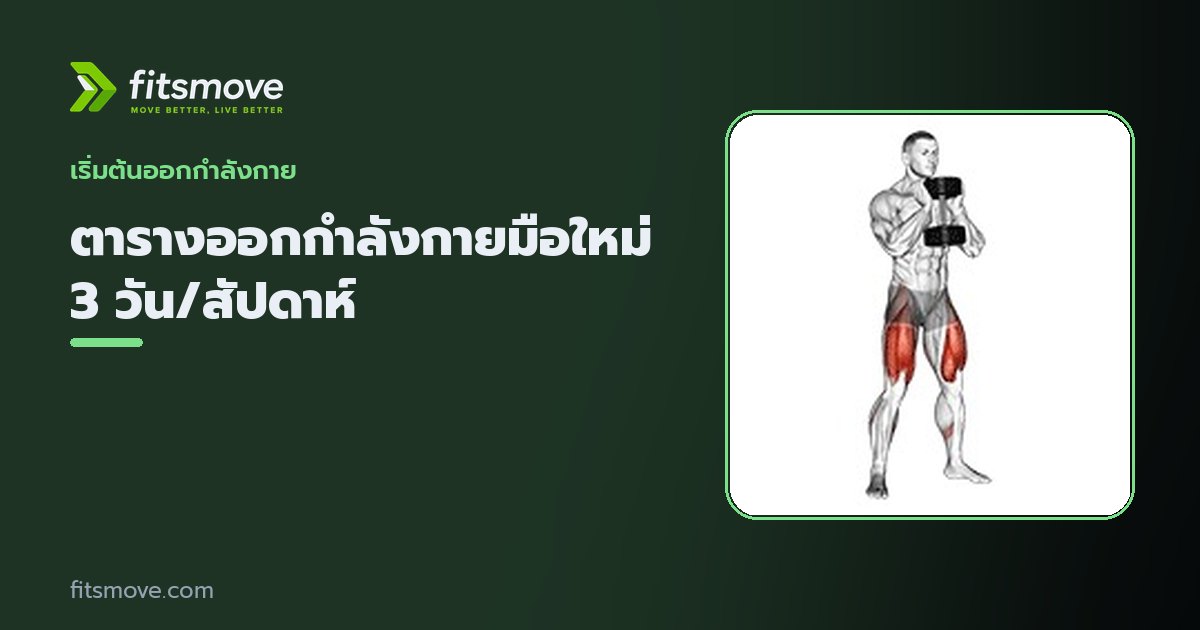
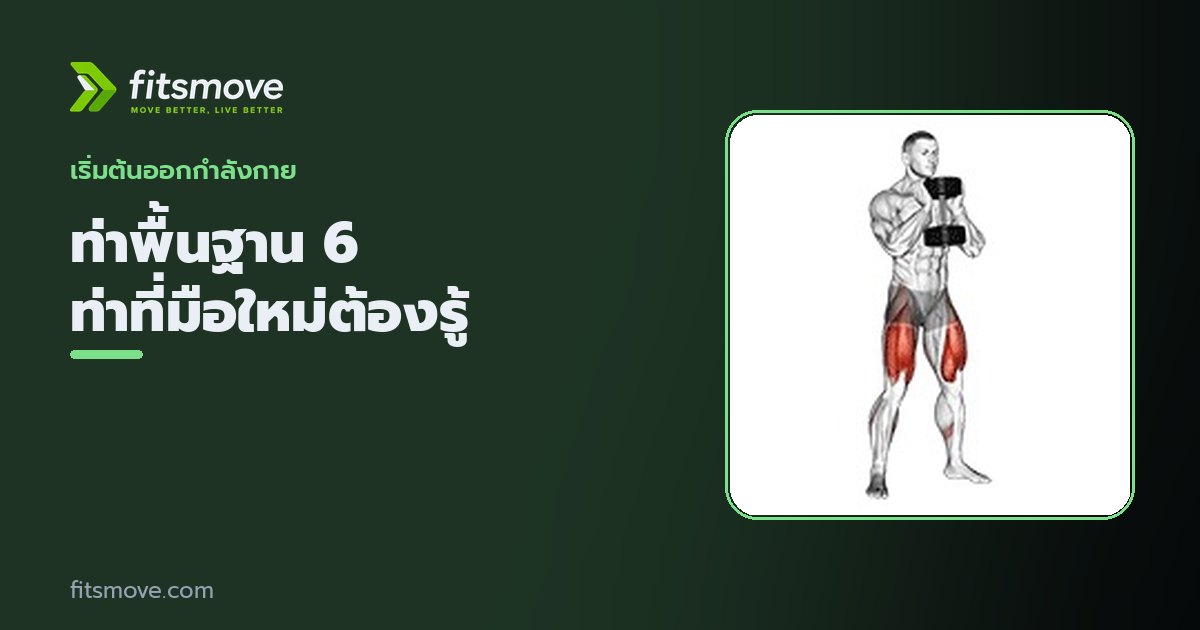
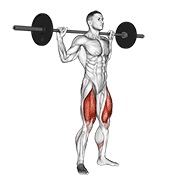
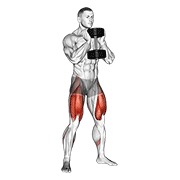
The squat is the king of lower-body movements. It trains your quads, glutes, and the muscles of the upper legs all at once, and it mirrors everyday actions like sitting and standing. Beginners should start by holding a weight at chest height, which keeps the torso upright and the movement easy to control. A great starting point is the dumbbell goblet squat. Sit back and down, keep your chest up, brace your core, and drive through your heels. As you get stronger, the pattern progresses to the loaded barbell full squat and even explosive variations like the jump squat.
2) Push - pressing away from your body
Pushing movements build your chest, shoulders, and triceps. The most accessible version needs no equipment at all: the push-up. Keep your body in a straight line from head to heels, lower with control, and press back up. If a full push-up is too hard at first, start with the easier kneeling push-up or raise your hands on a bench until you build strength. When you progress to a barbell, the barbell bench press is the classic heavy push.
3) Pull - drawing weight toward you
Pulling balances all that pushing and builds the muscles of your back and biceps - essential for good posture and a resilient spine. The dumbbell bent-over row is a beginner-friendly choice. Hinge forward, keep your back flat, and pull the weight toward your waist while squeezing your shoulder blades together. Pair your rows with direct arm work like the dumbbell biceps curl once the basics feel solid.
4) Hip hinge - bending from the hips
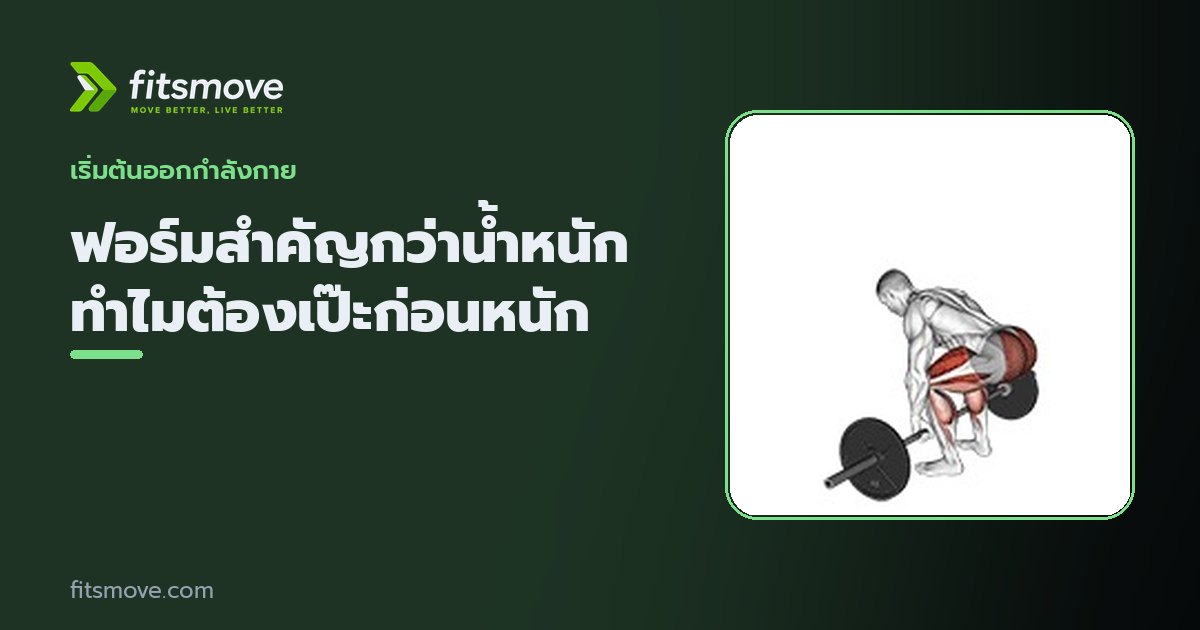
The hip hinge teaches you to load your hips and hamstrings safely, a skill that protects your lower back in daily life every time you pick something up. A gentle way to learn the pattern is the glute bridge. Lying on your back, drive your hips upward by squeezing your glutes, then lower with control. Master this before progressing to standing hinges with weight such as the Romanian deadlift and eventually the full barbell deadlift.
5) Core - bracing and stability
Your core is not just your abs - it is the band of muscles around your waist that stabilizes your spine in every lift. Rather than endless crunches, train your core to resist movement. The front plank with twist builds both stability and control. Hold a strong, straight plank and add gentle rotation without letting your hips sag. A strong core is what allows you to squat, hinge, and press heavier safely.
6) Overhead press - pushing above your head
Pressing weight overhead develops strong, healthy shoulders and reinforces full-body stability. The seated dumbbell shoulder press is ideal for beginners because the seat supports your back and keeps your form honest. Press straight up without arching your lower back, and lower the weights under control. Keep your ribs down and your core braced throughout.
A sample beginner session
Here is how the six patterns fit into one efficient full-body workout. Rest 60–90 seconds between sets.
| Pattern | Exercise | Sets × Reps |
|---|---|---|
| Squat | Goblet squat | 3 × 8 |
| Push | Push-up (or kneeling) | 3 × 10 |
| Pull | Dumbbell bent-over row | 3 × 10 |
| Hinge | Glute bridge | 3 × 12 |
| Overhead | Seated shoulder press | 3 × 8 |
| Core | Front plank with twist | 3 × 30s |
Run this two or three times a week, adding a little weight or one more rep when it feels manageable. That steady progressive overload is what turns practice into progress. Keep a simple log of the weight and reps you hit each session so you can see your numbers climb over the weeks - that record is one of the most motivating tools a beginner has.
How the patterns work together
These six are not a random collection; they are deliberately complementary. Push and pull balance each other so your shoulders stay healthy and your posture stays upright. Squat and hinge split lower-body work between the front of your legs and the back, building strength from every angle. The core ties everything together, bracing your spine while the limbs do their job, and the overhead press challenges shoulder stability in a way no other pattern does. Train only your favorites and you create imbalances; train all six and you build a body that is strong, mobile, and resilient in everyday life - lifting groceries, climbing stairs, picking up a child, or playing a sport. That is the real payoff of fundamentals: strength you can actually use.
Common mistakes
Beginners tend to trip over the same few things:
- Chasing weight before the pattern is clean - see why form comes before weight.
- Neglecting pulling, leading to a push-heavy program and rounded posture.
- Rushing reps instead of controlling the lowering phase where much of the growth happens.
- Skipping the hinge and core patterns because they feel less impressive than pressing.
- Doing too many random exercises instead of mastering these six first.
Frequently asked questions (FAQ)
Do I really only need six exercises? To start, yes. These six patterns cover every major muscle group. Once they are second nature, you can add variations for variety, but you never outgrow the fundamentals.
Can I build muscle with bodyweight versions? Absolutely. Push-ups, glute bridges, and planks build real strength and muscle, especially for beginners. Add load only when bodyweight stops being challenging.
How long before I add a barbell? There is no fixed timeline. Move on when the beginner version feels controlled and repeatable for all your sets. Progress is earned by quality, not by the calendar.
Do I need to warm up before these? Yes. A few minutes of light movement and a couple of easy sets of each exercise prepare your joints and muscles, improve your form, and lower injury risk. Never jump straight into your hardest set cold.
Summary
Six patterns - squat, push, pull, hinge, core, and overhead press - give you a complete, balanced foundation for life. Focus on clean technique before adding weight, train them two or three times a week, and let the movements become second nature. When you are ready for a structured plan, our beginner program organizes these patterns into a balanced routine, and the beginner's guide covers the mindset to go with it. Start simple, stay consistent, and these six will carry you a very long way.
- Squat: lower-body strength and everyday function
- Push and pull: balanced upper body and posture
- Hinge: safe, powerful hips and a protected back
- Core: stability that supports every lift
- Overhead press: strong, healthy shoulders
Ready to put this into action? Start with a program for your level.
View programs →