A 3-day-a-week beginner workout split
If you only train a few days a week, a full-body routine three days a week is hard to beat. It is simple, efficient, and proven - the ideal starting structure for almost every beginner. This article explains why it works, gives you a ready-to-run A/B plan, and shows you exactly how to add weight over time. For the bigger picture, start with the complete beginner's guide.
Why full-body, three days a week
As a beginner, you respond quickly to training, and you do not need much volume per muscle in any single session. By hitting every major muscle three times a week, you get frequent practice on the key movements - which speeds up both skill and strength. Three days also leaves room for rest, so you recover well and show up fresh each session. If you are weighing other options, read how many days per week.
A full-body approach is also forgiving. Miss one session and you have still trained every muscle twice that week, rather than skipping an entire muscle group as can happen on a body-part split. That resilience is exactly what a busy beginner needs.
The movement patterns you are training
Every good full-body session covers a few fundamental patterns. Understanding them helps you swap exercises sensibly later.
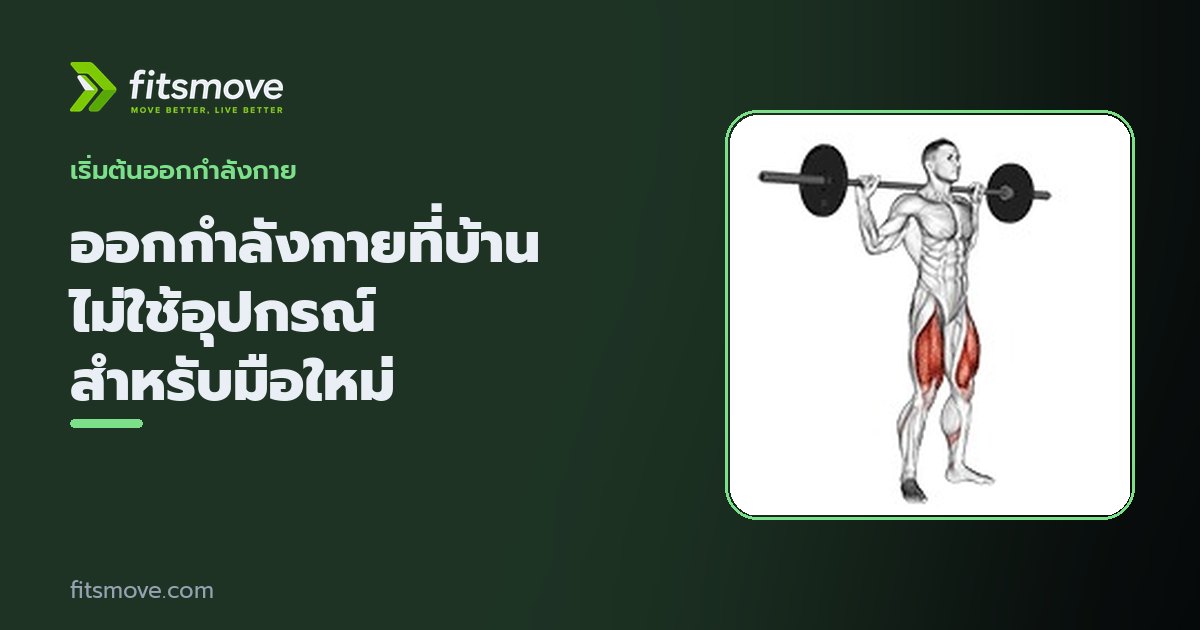
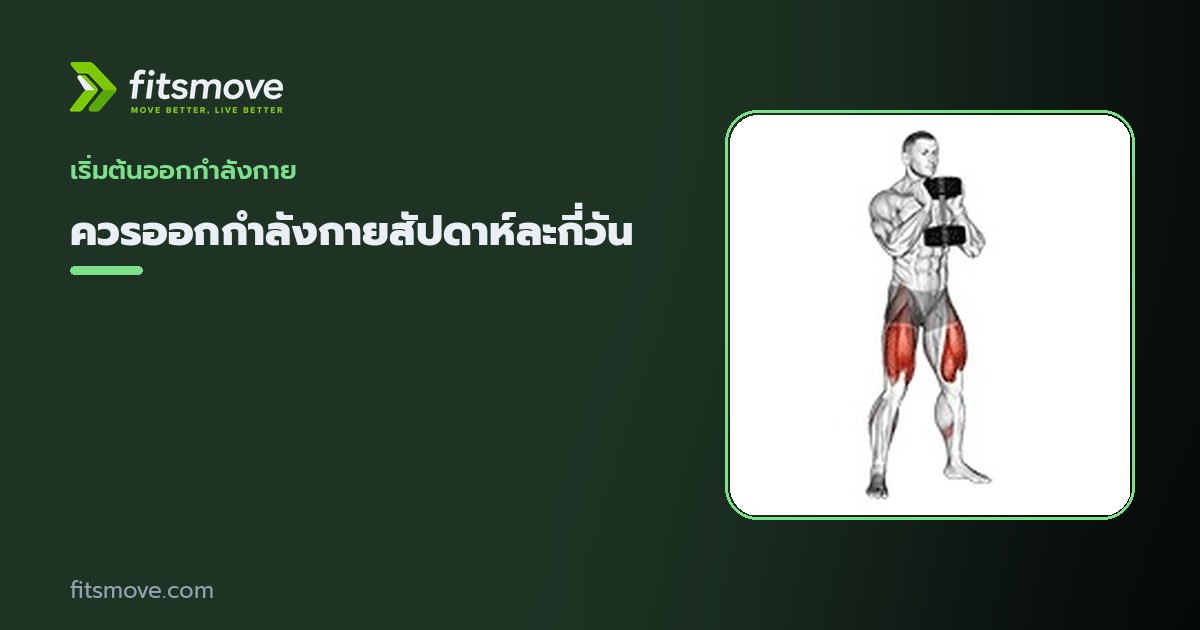
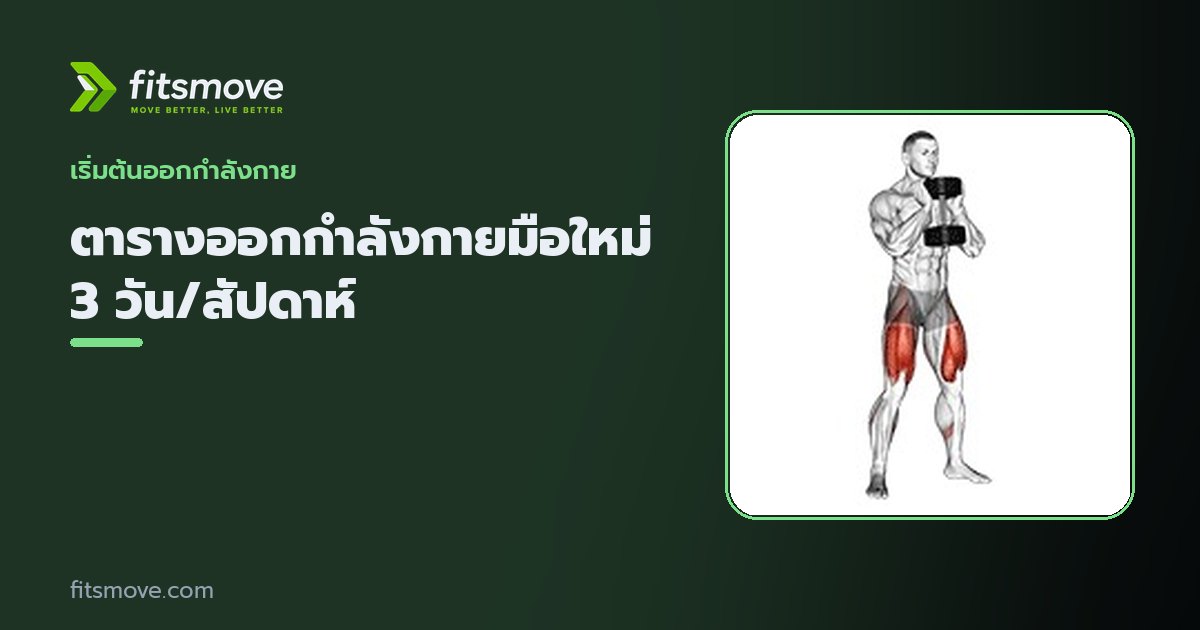
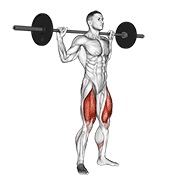
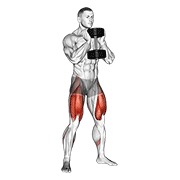
- Squat - knee-dominant leg work like the dumbbell goblet squat or barbell full squat, training your legs.
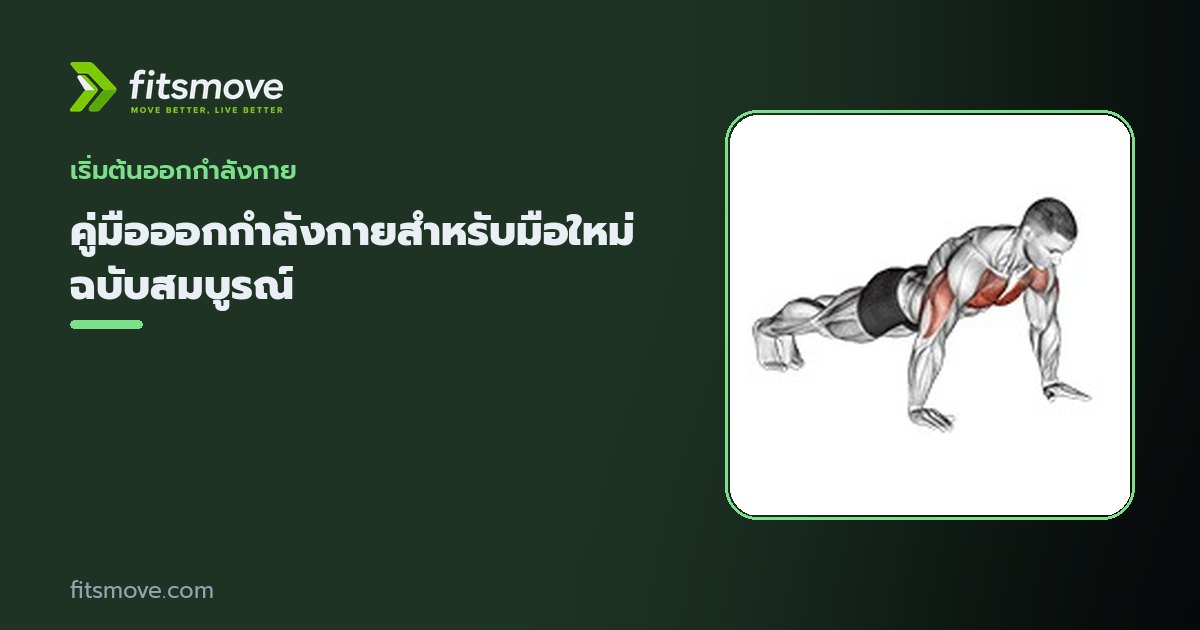
- Push - pressing for your chest and shoulders, such as the push-up or dumbbell seated shoulder press.
- Pull - rowing for your back, like the dumbbell bent-over row or cable seated row.
- Hinge and core - glute and trunk work like the low glute bridge and front plank with twist.
A sample A/B plan
Alternate two workouts across your three weekly sessions. In week one you do A, B, A; in week two you do B, A, B; and so on. Both cover the whole body. Always begin with a short warm-up.
| Workout A | Sets × reps |
|---|---|
| Dumbbell goblet squat | 3 × 8–12 |
| Kneeling push-up | 3 × 8–12 |
| Dumbbell bent-over row | 3 × 8–12 |
| Dumbbell biceps curl | 2 × 10–15 |
| Workout B | Sets × reps |
|---|---|
| Dumbbell goblet squat | 3 × 10–15 |
| Dumbbell seated shoulder press | 3 × 8–12 |
| Dumbbell bent-over row | 3 × 10–12 |
| Low glute bridge | 3 × 12–15 |
Rest about 60–90 seconds between sets. Want it fully laid out for you? Follow our ready-made beginner programs.
A sample week
| Day | Session |
|---|---|
| Monday | Workout A |
| Tuesday | Rest / walk |
| Wednesday | Workout B |
| Thursday | Rest |
| Friday | Workout A |
| Weekend | Rest / light activity |
Resting between days
Leave at least one rest day between training days - for example, train Monday, Wednesday, and Friday. On rest days, light walking and good sleep help you recover. Muscle and strength are built while you rest, not during the workout itself. Eating enough protein supports this too; see protein and recovery.
How to add weight
Use progressive overload. Pick a weight you can lift for the lower end of the rep range with good form. When you can complete all sets at the top of the range, add a small amount of weight next session and start building back up. Add load on only one exercise at a time, and never trade good form for a heavier dumbbell - read form before weight if you are tempted. If a movement causes pain, scale it back or check with a professional.
A practical example: suppose your goblet squat calls for 3 sets of 8–12 reps. You start at a weight where you manage 8, 8, 8. Over the coming weeks you nudge those numbers up - 9, 10, 11 - until you hit 12, 12, 12 across all three sets. That is your signal to add the smallest available increment, perhaps 1–2 kg, and begin again at the bottom of the range. This patient ladder, repeated across every exercise, is the entire secret to long-term progress.
Controlling tempo and rest
How you perform each rep matters as much as how much you lift. Lower the weight under control for about two seconds, pause briefly, then lift with intent. This controlled tempo keeps tension on the muscle and protects your joints far better than dropping and bouncing the weight. Between sets, rest long enough to recover - roughly 60–90 seconds for these exercises - so each set is productive rather than a fatigue contest. If you ever feel your form slipping, take the extra rest; quality reps drive results.
Tracking your sessions
Keep a short log of the weight, sets, and reps you complete each session. It removes guesswork and shows you exactly when you have earned a jump in load. A notebook or a notes app is plenty. Reviewing your log also keeps you honest about consistency - the single biggest predictor of beginner progress. Pair the plan with enough sleep and protein, and the numbers will climb steadily for months.
Common mistakes
- Adding weight too fast. Jumping up several kilos at once usually wrecks your form. Make small, earned increases.
- Doing extra sets when motivated. Stick to the plan; consistency beats sporadic heroics. More is not always better for a beginner.
- Training on consecutive days. Without a rest day between, you accumulate fatigue and recover poorly. Honour the spacing.
- Neglecting the row. Beginners love pushing and squatting but skip pulling, leading to rounded posture. Train your back every session.
- Quitting before 8 weeks. Results compound slowly. Give the plan two full months before you judge it.
Frequently asked questions (FAQ)
Can I do this with only dumbbells at home? Yes. Every exercise here can be done with a pair of adjustable dumbbells, or substituted with a bodyweight version such as the push-up.
What if I can only train twice a week? Two full-body sessions still work well - just do A and B once each and add a small amount of weight when you can. Read how many days per week.
When should I move on from this plan? Run it for at least 8–12 weeks while you keep progressing. When progress stalls for several weeks despite good recovery, it is time to add volume or variety.
Summary
Full-body training three days a week gives beginners frequent practice, plenty of recovery, and steady strength gains with very little complexity. Alternate the A and B workouts, rest between days, and add a little weight whenever you earn it. Ready to follow it step by step? Start with our beginner programs and let FitsMove track the details for you.
Ready to put this into action? Start with a program for your level.
View programs →