

Form before weight: why technique comes first
In the gym there is a constant temptation to add more weight to the bar. Heavier numbers feel like progress, they look impressive, and they are easy to brag about. But chasing weight before you have mastered technique is one of the fastest ways to stall your results - or get hurt. The lifters who progress the longest are not the ones who loaded the bar fastest; they are the ones who treated clean form as non-negotiable from the very beginning.
This is not about lifting timidly forever. Strong people lift heavy. The point is the order of operations: build the movement first, then build the load on top of it. Skip that order and you are stacking weight on a shaky foundation that will eventually crack. Think of form as the bedrock of a building - the taller you want to go, the deeper and more solid that base needs to be. A lifter with excellent technique can keep adding weight for a decade; a lifter with bad technique often plateaus or breaks down within a year. This guide explains why form comes first, how to actually build it, the checklist to run before heavy sets, and exactly when you have earned the right to add weight.
Why poor form risks injury
When your technique breaks down, the load shifts onto the wrong tissues. A squat performed with a rounded back, for example, puts strain on the spine instead of the upper legs it is meant to train. A deadlift with a curved spine does the same. Over time, small technical errors under heavy load add up to strained muscles, irritated joints, and the kind of injury that puts you out of the gym for weeks. The big compound lifts like the barbell deadlift reward good positioning and punish bad positioning - which is exactly why they are worth learning carefully. No amount of weight is worth a setback that costs you months of progress.
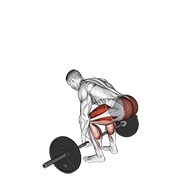
Why poor form slows growth
There is a second, quieter cost. When your form is sloppy, momentum and supporting muscles take over the work that the target muscle should be doing. You might move a heavier weight, but the muscle you are trying to build gets less stimulus, not more. Swinging a biceps curl with your whole body, for instance, shifts the load off the very arms you are trying to grow. Clean technique keeps tension where it belongs, so every rep counts. Ironically, lifting with strict form often means using less weight - and growing faster because of it. This is also why form matters more than the number on the bar when you plan your sets and reps.
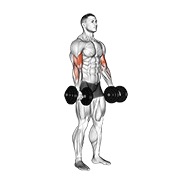
How to build solid form
Good technique is a skill, and like any skill it is trained deliberately. A few simple methods work for everyone:
- Go slow. Move through each rep under control, especially the lowering phase, so you can feel the correct muscles working.
- Go light. Use a weight you can handle easily while you groove the pattern. Load is the last thing to add, not the first.
- Use a mirror. Watching yourself from the side helps you spot a rounded back or uneven movement in real time.
- Record yourself. A short video reveals flaws that are hard to feel, and it lets you compare your reps to a proper demonstration.
- Warm up properly. Cold muscles move poorly, so begin every session with a thorough warm-up.
- Regress when needed. If the push-up is too hard to do cleanly, drop to the kneeling push-up and earn your way up.
Practice the movement as if you were learning it for the first time, because in a sense you always are - each session is a chance to make the pattern cleaner.
A simple pre-lift form checklist
Before every working set of a big lift, run through these in a couple of seconds:
| Check | What to look for |
|---|---|
| Brace | Core tight, ribs down, breath held on the effort |
| Spine | Neutral back, no rounding or excessive arching |
| Joints | Knees tracking over toes, elbows in a safe path |
| Range | Full, controlled range you can actually own |
| Tempo | Controlled lowering, no bouncing or jerking |
If any box fails, the set is a signal to fix position or reduce the weight - not to push through. With practice this checklist becomes automatic, taking only a breath or two, but in your first months it is worth running deliberately on every single working set.
The mind-muscle connection
One underrated benefit of good form is that it teaches you to actually feel the target muscle working. When you move slowly and stay in position, you can sense the chest driving a press or the back squeezing on a row, rather than just heaving the weight from A to B. This awareness - often called the mind-muscle connection - lets you direct effort precisely to the muscle you want to grow. Heavy, sloppy reps blunt that feedback because the load is spread across whatever tissues can help move it. Light, clean reps sharpen it. Over time, that sharper connection means more productive sets at any weight, which is yet another reason technique pays compounding dividends.
Add weight only when form holds
Once a movement feels controlled and repeatable, you can begin to load it. The classic barbell full squat is a perfect example: nail the depth, the brace, and the bar path with light weight first, and only then start adding plates. The same applies to the barbell bench press and the Romanian deadlift. The rule is simple - if adding weight makes your form fall apart, the weight is too heavy. Strip it back, rebuild the pattern, and progress again. This disciplined loading is the heart of progressive overload done right.
Common mistakes
Watch out for the habits that quietly undermine good form:
- Ego lifting - adding weight to impress rather than to progress.
- Using momentum and bouncing to move a load you cannot control.
- Cutting range of motion short to claim a heavier number.
- Skipping the warm-up and trying to hit working weights cold.
- Holding your breath wrong or not bracing at all on heavy reps.
- Ignoring left-right imbalances that a mirror or video would reveal.
Frequently asked questions (FAQ)
How do I know if my form is good enough to add weight? When you can complete all your planned reps with controlled tempo, a stable spine, and no breakdown on the last rep, you have room to add a little load. If the final reps get ugly, hold the weight steady until they clean up.
Should I lift to failure while learning a movement? No. While you are grooving technique, stop a few reps short of failure. Fatigue is where form falls apart, and a sloppy rep near failure teaches your body the wrong pattern.
Is it ever too late to fix my form? Never. Lifters at every level refine technique constantly. Drop the weight, film yourself, and rebuild the pattern - your joints and your progress will both benefit.
Summary
Heavier is not better if it is sloppy. Bad form sends load to the wrong tissues and steals stimulus from the muscle you want to grow, while clean technique keeps you healthy and progressing for years. Train form with slow, light reps, a mirror, and video; run a quick checklist before heavy sets; and add weight only once technique stays clean. Ready to put it into practice the right way? Start with a structured plan from our programs, and if you are early in your journey, our beginner's guide reinforces the same principle from day one. Your future self will thank you for every rep you did right.
- Bad form sends load to the wrong tissues and risks injury
- Sloppy reps reduce stimulus to the muscle you want to grow
- Train form with slow, light reps, a mirror, and video
- Add weight only once technique stays clean
- Patience builds strength that lasts
Ready to put this into action? Start with a program for your level.
View programs →