How to breathe when you lift
Breathing feels automatic until you put a bar on your back. Get it right and your lifts feel more stable, more powerful, and far more controlled. Get it wrong and you waste energy, lose tension at the worst moment, or feel light-headed between sets. The good news is that the fundamentals are simple, they apply to almost every exercise you do, and they improve quickly once you start paying attention. This guide walks you through the simple rhythm that covers most training, when and how to use the Valsalva manoeuvre for heavy lifts, the mistakes that quietly sabotage beginners, and a few practical drills to make good breathing automatic.
Why breathing matters more than you think
Your breath does three jobs while you train. First, it delivers oxygen so your muscles can keep working set after set. Second, it helps regulate the pressure inside your torso, which is what keeps your spine stable under load. Third, it sets your rhythm and timing, so that your strongest exhale lines up with the hardest part of a rep.
When any of these break down, performance suffers. Holding your breath for too long can leave you dizzy. Breathing too shallowly between sets means you start the next set already out of breath. Losing core tension at the bottom of a squat can turn a clean rep into a sloppy, risky one. Treating breathing as a real skill - not an afterthought - is one of the cheapest ways to lift better.
The encouraging part is that good breathing pays off immediately. Unlike strength, which takes weeks to build, a better breathing pattern can make today's workout feel smoother. Many lifters who fix their breathing report that weights they used to grind suddenly feel more controlled, simply because their core is braced and their timing is sharper. It costs nothing and requires no extra equipment - just attention.
The simple rule: exhale on effort
For most lifts, breathe out during the hardest part of the movement (the concentric phase, when you push or pull) and breathe in during the easier part (the eccentric phase, when you lower the weight). Coaches sometimes shorten this to "exhale on exertion."
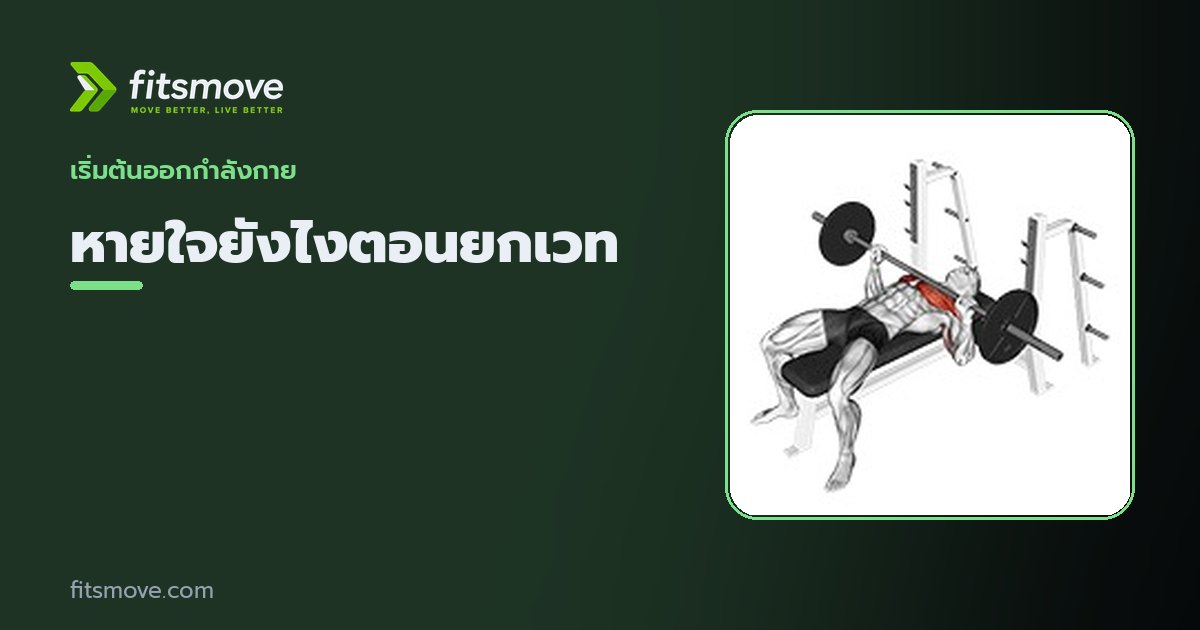
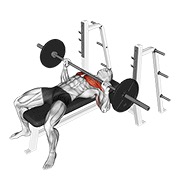
- On a bench press, inhale as you lower the bar to your chest, then exhale as you press it up.
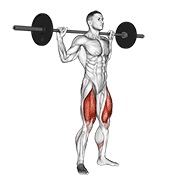
- On a squat, breathe in at the top, hold a steady core as you descend, and breathe out as you drive back up.
- On a biceps curl, inhale as you lower the dumbbell, exhale as you curl it up.
- On a push-up, inhale on the way down, exhale as you press the floor away.
This rhythm keeps oxygen flowing and helps you time your power with the toughest moment of each rep. For light to moderate weights, that is all you really need to think about. Keep the breathing smooth and continuous rather than gulping at the very end.
A quick reference for common lifts
The table below shows when to inhale and exhale on a few staple movements. The pattern is always the same idea - breathe in as you lower, breathe out as you lift.
| Exercise | Inhale (lowering) | Exhale (effort) |
|---|---|---|
| Bench press | Bar coming down to chest | Pressing the bar up |
| Squat | Descending into the squat | Standing back up |
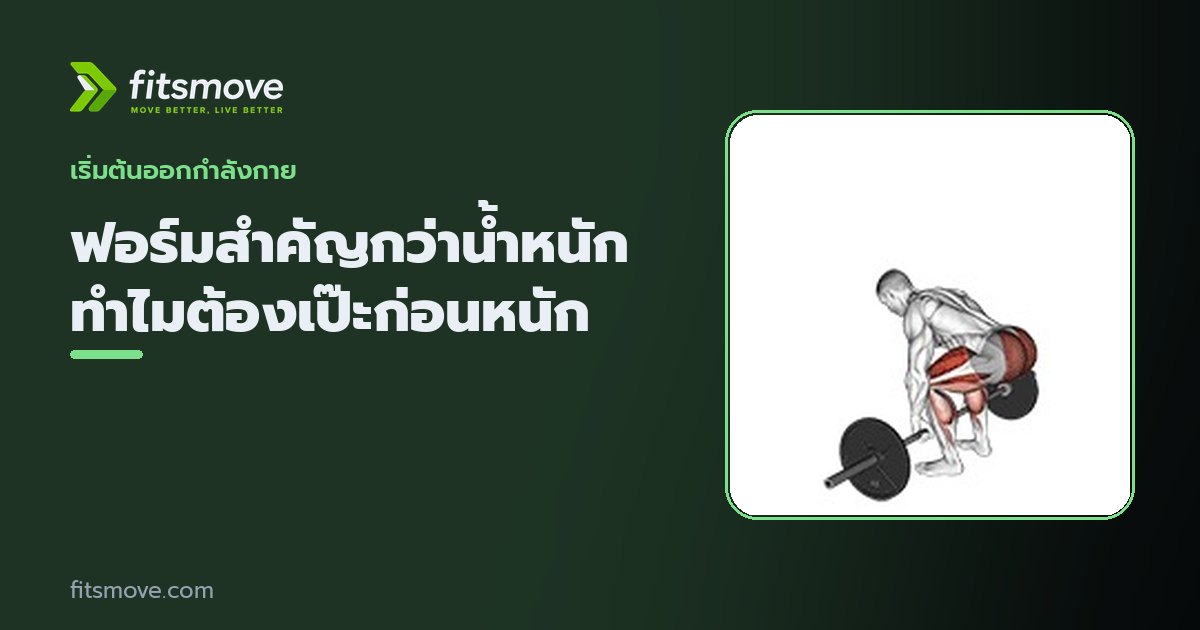
| Deadlift | Setting up before the pull | Driving the bar to lockout |
| Push-up | Lowering chest to floor | Pressing back up |
| Biceps curl | Lowering the dumbbell | Curling the weight up |
What is the Valsalva manoeuvre?
When the load gets heavy, many lifters use a technique called the Valsalva manoeuvre: take a big breath into your belly, brace your abs as if you are about to be punched, and hold that pressure through the hardest part of the rep before exhaling near the top.
This builds intra-abdominal pressure, which acts like a natural belt and stabilises your spine. It is commonly used on big compound lifts such as the deadlift, heavy squats targeting the upper legs, and maximal presses, usually for a single rep or a short set.
How to brace well:
- Breathe in through your belly, not just your chest, so your whole midsection expands.
- Tighten your abs and obliques 360 degrees around your spine, like preparing to take a hit.
- Hold the pressure only through the sticking point, then let the breath out as the rep finishes.
Use it carefully. Hold your breath only for the brief, heaviest moment, not for an entire long set. Hold it too long and you can spike your blood pressure or feel light-headed. If you have high blood pressure or any heart concerns, talk to a qualified professional before using this technique.
When to use the rhythm vs. the brace
A simple way to decide: lighter and higher-rep work uses the steady exhale-on-effort rhythm, while heavy, low-rep work uses a brief brace and hold.
- Sets of 10 or more reps: breathe continuously, one breath per rep.
- Sets of 5 to 8 reps with moderate weight: mostly steady breathing, with a light brace as needed.
- Sets of 1 to 3 heavy reps: take a breath, brace, and hold through the toughest part of each rep, resetting your breath between reps.
For a deeper look at how sets and reps shape your training, see our guide on sets and reps, and to understand how to make lifts heavier over time, read about progressive overload.
ข้อผิดพลาดที่พบบ่อย (common mistakes)
- Holding your breath at random. Grinding through several reps while turning red leaves you dizzy, drains your power, and makes your form sloppy.
- Breathing too shallowly. Tiny chest breaths between sets mean you never fully recover. Take slow, full belly breaths during rest.
- Exhaling too early. If you blow all your air out at the bottom of a squat, you lose the pressure that keeps your trunk stable.
- Forcing the rhythm. Fighting your natural breathing makes everything feel awkward. Match the breath to the movement instead.
- Using the Valsalva for everything. Saving the long hold for genuinely heavy lifts keeps it safe and effective.
คำถามที่พบบ่อย (FAQ)
Should I always exhale through pursed lips? It does not matter much. Exhale in whatever way feels natural and controlled. The key is timing your exhale with the effort, not the exact technique of the breath.
Is it dangerous to hold my breath when lifting? A brief hold during a heavy rep is normal and helps stability. Problems come from holding too long or straining hard with very high blood pressure. Keep holds short, and check with a professional if you have heart or blood-pressure concerns.
I feel dizzy between sets. What should I do? Stop, set the weight down, and take slow, deep breaths until you feel steady. Often it means you were holding your breath too long or breathing too shallowly during rest.
สรุป (summary)
Breathing is a skill like any other, and it improves quickly with attention. Keep the rule simple - exhale on effort, inhale on the easy phase - breathe steadily on higher-rep sets, and save the Valsalva brace for genuinely heavy lifts. Avoid mindless breath-holding, take full breaths during rest, and practise the rhythm with light weights until it becomes automatic.
Ready to put it into action? If you are just getting started, our beginner guide walks you through the rest of the fundamentals, and a structured program gives you the lifts to practise this on. Pick one workout this week and focus only on breathing - you will feel the difference immediately.
Ready to put this into action? Start with a program for your level.
View programs →