A workout plan for women
If you are a woman who wants to feel stronger, look more toned, and move better in everyday life, resistance training is the single most effective tool you have. Yet many women still hesitate at the weight rack, worried that lifting will make them big and bulky, or convinced that endless cardio is the only path to a leaner shape. Neither belief holds up. Lifting weights builds the firm, athletic look most women are actually after, protects your bones and joints as you age, and does far more for your long-term health than hours on a treadmill ever could.
This guide clears away the myths, walks you through a balanced full-body plan that leans into the glutes and legs, and shows you how to progress week after week. It is general educational information rather than medical advice, so if you are pregnant, postpartum, or living with any health condition, check with your doctor before you begin. When you are ready for a done-for-you structure, our beginner-friendly programs take the guesswork out of it.
The bulky myth, put to rest
The fear of getting bulky comes from a misunderstanding of how muscle is built. Visible, dramatic muscle mass takes years of dedicated training paired with a large calorie surplus, and it is far harder to achieve than most people imagine. Women naturally produce a fraction of the testosterone that drives that kind of size, so the typical result of consistent lifting is not bulk but a firmer, shapelier, more athletic body.
What most women describe as a "toned" look is simply a reasonable amount of muscle sitting under a lower layer of body fat. You cannot reveal that shape without building the muscle underneath in the first place. Cardio alone tends to shrink you without adding shape, while resistance training reshapes you. If you have ever admired a strong, defined physique, you were admiring muscle that was built by lifting, not avoided by it. Our muscle building guide explains the full picture of how this process works.
Why glutes and legs deserve the spotlight
Your lower body holds the largest, most powerful muscles you own, and training them delivers the biggest return on your effort. Strong glutes and legs improve how you walk, climb stairs, squat down to pick things up, and carry yourself with confidence. They also shape the lower body in a way that most women find rewarding, which is exactly why a glute-and-leg emphasis sits at the heart of this plan.
Beyond aesthetics, this focus builds real, functional strength that pays off for decades. Powerful hips protect your lower back, stable legs protect your knees, and loading these muscles regularly helps maintain bone density, which matters enormously for women as they age. If you want to go deeper on the lower body, our build bigger legs guide and the glute-focused workout plan both expand on the movements below. You can also browse every option in the upper legs category.
The core movements
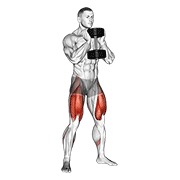
A handful of exercises give you most of the results. The dumbbell goblet squat is the friendliest way to learn the squat pattern, holding a single weight in front of your chest to keep your torso upright and your knees tracking well. It trains the quads and glutes together and is easy to progress over time.
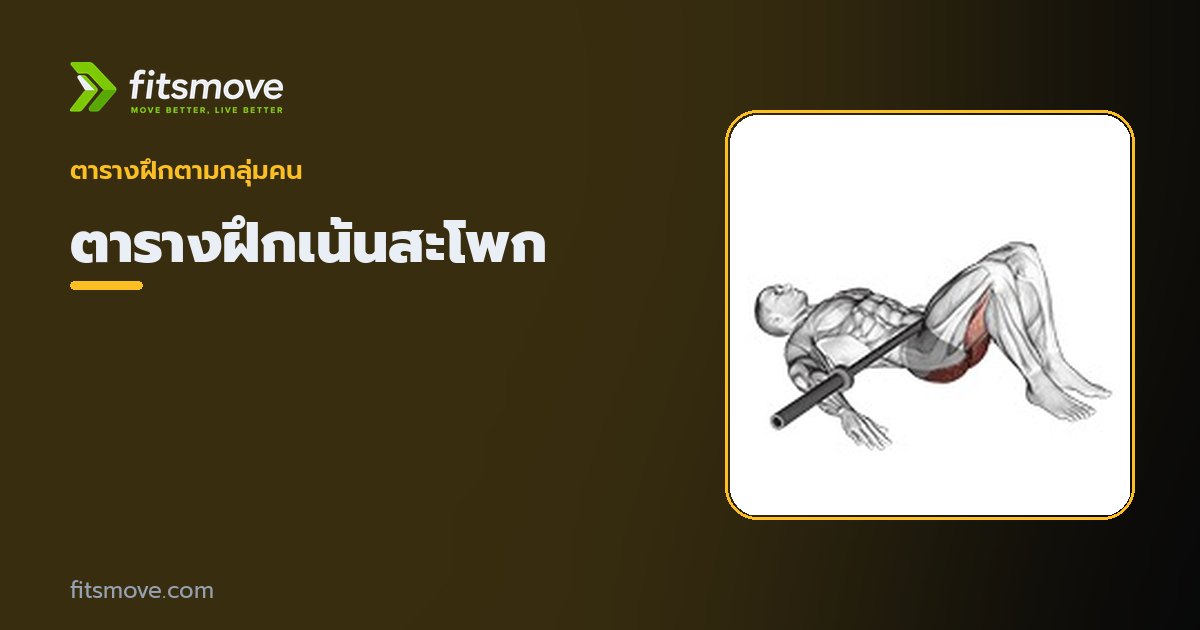
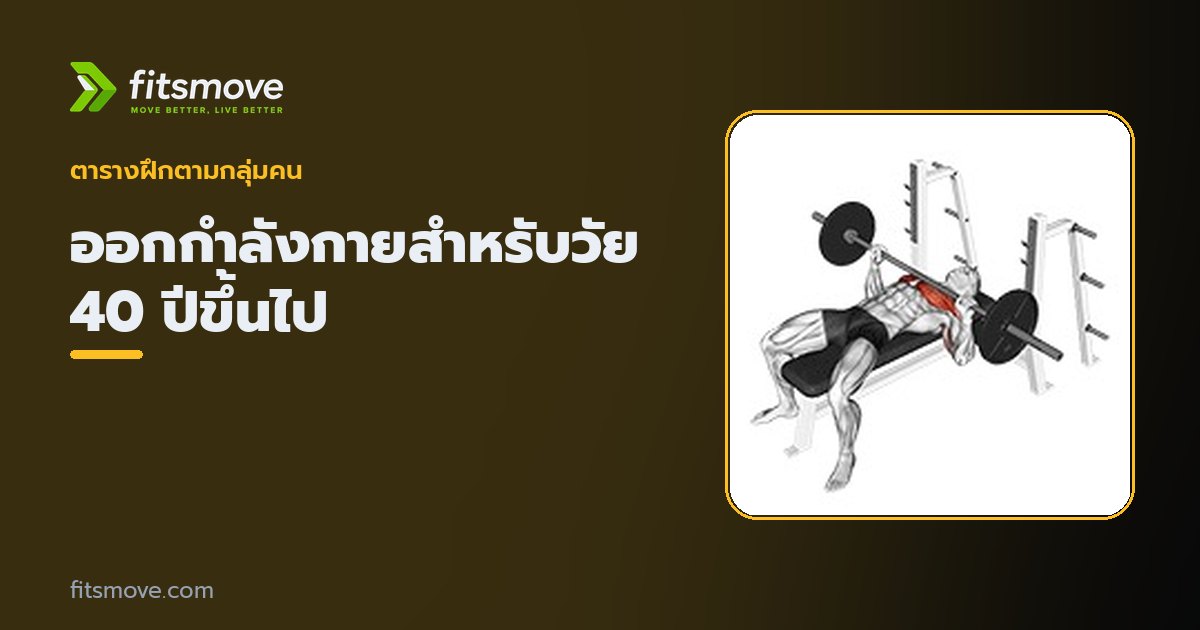
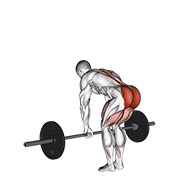
For the back of the legs and the glutes, the barbell Romanian deadlift is outstanding. Hinging at the hips with a soft knee, you lower the weight along your thighs and feel a deep stretch through the hamstrings before driving your hips forward. The barbell glute bridge targets the glutes directly and teaches you to squeeze them hard at the top, which is one of the fastest ways to build that connection. The forward lunge rounds things out with single-leg work that improves balance and evens out any left-to-right differences. Upper-body pressing and pulling keep your physique balanced and your posture strong.
A sample full-body week
Here is a balanced three-day full-body plan that emphasises the glutes and legs while still training the upper body. Run it on non-consecutive days, such as Monday, Wednesday, and Friday, and always start with a proper warm-up.
| Day | Focus | Main exercises |
|---|---|---|
| Day 1 | Lower emphasis | Goblet squat 3 x 10, Romanian deadlift 3 x 10, glute bridge 3 x 12, plank 3 x 30 sec |
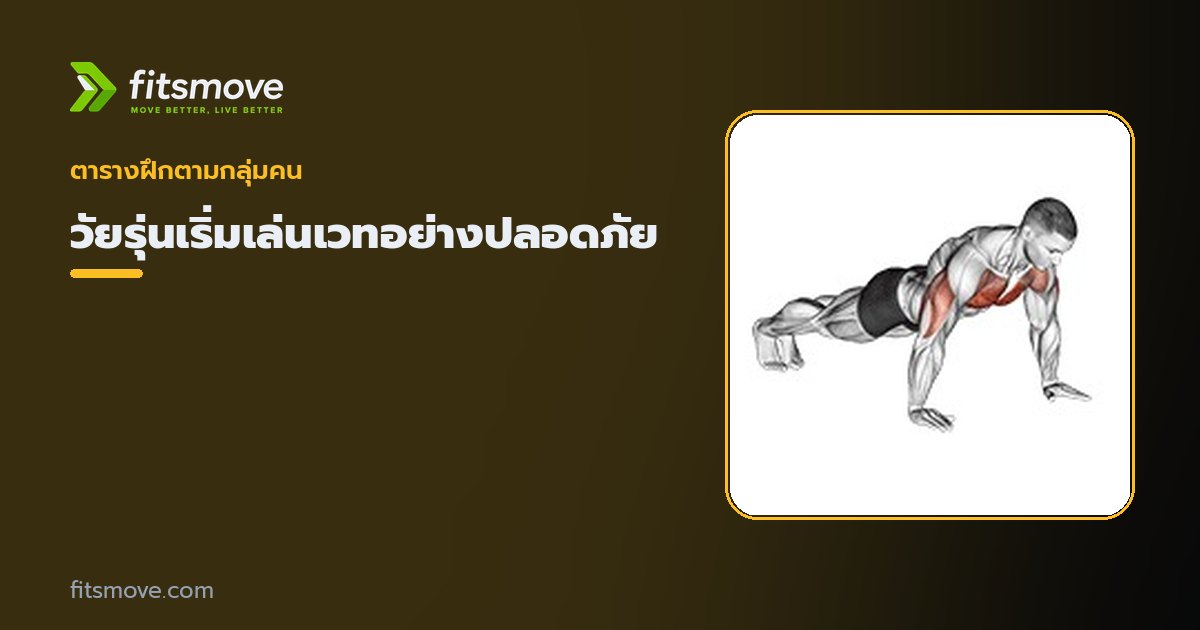
| Day 2 | Upper emphasis | Push-up or press 3 x 8, row 3 x 10, lunge 2 x 10 each leg, shoulder raise 2 x 12 |
| Day 3 | Full body | Goblet squat 3 x 12, glute bridge 3 x 15, row 3 x 10, plank 3 x 40 sec |
Rest 60 to 90 seconds between sets, and take at least one full rest day between sessions. Beginners can start with two sessions a week and add the third once the first two feel manageable. For more on frequency, see our guide on how many days per week you should train.
How to progress week after week
The magic ingredient is progressive overload: gradually asking your muscles to do a little more over time. This does not mean adding huge amounts of weight. It might mean one extra rep, a slightly heavier dumbbell, a slower and more controlled lowering phase, or a few more seconds on a plank. Small, steady increases add up to remarkable change across a few months.
Track your sessions in a notebook or an app so you know what you did last time and can nudge it forward. When a given weight starts to feel easy and you can complete every rep with clean form, that is your cue to add a little load or a rep. Consistency beats intensity here. Three focused sessions every week for six months will transform your strength and shape far more than the occasional brutal workout that leaves you too sore to return.
Fuelling and recovery
Muscle is built with the right raw materials and enough rest, not with training alone. Prioritise protein at every meal, since it supplies what your body needs to repair and build tissue. Most women who train seriously do well aiming for a spread of protein across three to four meals a day. Do not fear eating enough overall, either. Chronic under-eating leaves you weak, tired, and unable to progress, which is the opposite of what you want.
Sleep is where much of the actual building happens, so protect seven to nine hours a night whenever you can. Give each muscle group around 48 hours before you train it hard again, which is exactly why a three-day full-body split works so cleanly. Our protein and recovery guide covers the details, but the headline is simple: lift, eat enough with plenty of protein, and rest well.
ข้อผิดพลาดที่พบบ่อย (Common mistakes)
- Sticking to only cardio. Cardio has its place, but it does not build the shape most women want. Make resistance training the core of your week.
- Using weights that are too light. If every set feels easy, your muscles have no reason to change. Choose a load that makes the last two or three reps genuinely hard.
- Skipping the lower body. The glutes and legs give the biggest payoff. Do not turn every session into an upper-body workout.
- Chasing soreness instead of progress. Soreness is not a scorecard. Rising strength and reps over the weeks are what matter.
- Eating too little. Under-eating stalls progress and drains energy. Fuel your training, especially with enough protein.
คำถามที่พบบ่อย (FAQ)
Will lifting weights make me bulky? No. Building large, obvious muscle takes years of dedicated effort and a big calorie surplus, and women's hormones make it far harder than for men. Regular lifting gives you a firmer, more athletic shape, not bulk.
How many days a week should I train? Two to three full-body sessions a week is ideal for most women, especially beginners. Start with two, add a third when you are ready, and keep at least one rest day between sessions.
Can I train during my period? For most healthy women, yes. Energy naturally rises and falls across the cycle, so feel free to go lighter on low-energy days and push harder when you feel strong. If you have any medical concerns, ask your doctor first.
สรุป (Summary)
Resistance training is the most effective way for women to get stronger, leaner, and healthier, and it will not make you bulky. Anchor your week around a glute-and-leg focus, train the whole body two to three times a week, fuel with enough protein, protect your sleep, and let progressive overload do its slow, reliable work. Ready to follow a structured plan built for exactly this? Choose one of our beginner programs and start today.
Ready to put this into action? Start with a program for your level.
View programs →