A glute-focused workout plan
Strong, well-developed glutes are about far more than looks. They are the engine behind almost every powerful lower-body movement, from standing up out of a chair to sprinting, jumping, and lifting heavy things off the floor. Well-trained glutes stabilise your hips, protect your lower back, and help your knees track properly under load. If you have ever felt your lower back doing the work your hips should be doing, weak or under-used glutes are often the culprit.
This guide gives you the most effective glute exercises, a weekly plan that trains them with the right frequency and volume, and the technique cues that make the difference between hips that grow and hips that stay flat. It is general educational information rather than medical advice, so if you are new to training or have any health condition, check with your doctor before starting. When you want a ready-made structure, our glute and lower-body programs put all of this together for you.
Why the glutes deserve dedicated work
The glutes are the largest and potentially most powerful muscle group in the body, yet modern life leaves most of them switched off. Hours of sitting shorten the hip flexors and teach the glutes to stay quiet, so many people reach the gym with hips that barely fire. The result is a lower body that relies too heavily on the quads and lower back, which limits both performance and shape.
Training the glutes directly reverses this. Stronger hips mean more power in every squat, deadlift, and sprint, better posture, and a lower body that looks as athletic as it performs. The glutes also play a huge role in protecting the lower back, since they take the load that would otherwise fall on the spine during hinging and lifting. To go deeper on lower-body training in general, see our build bigger legs guide, and browse the full menu in the upper legs category.
The best glute exercises
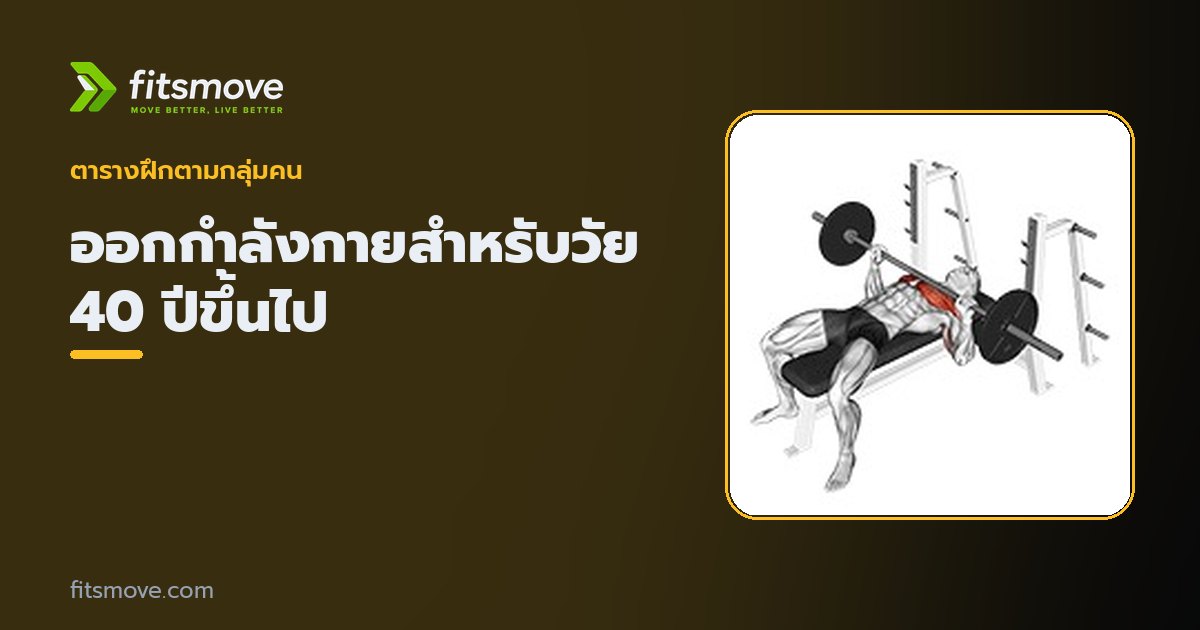
A handful of movements build the hips better than anything else. The hip thrust is the standout, loading the glutes at the very top of hip extension where they are strongest and where most other exercises give them little tension. With your upper back on a bench and a bar or weight across your hips, you drive your hips up and squeeze hard at the top. It is the closest thing there is to a glute-specialist movement.
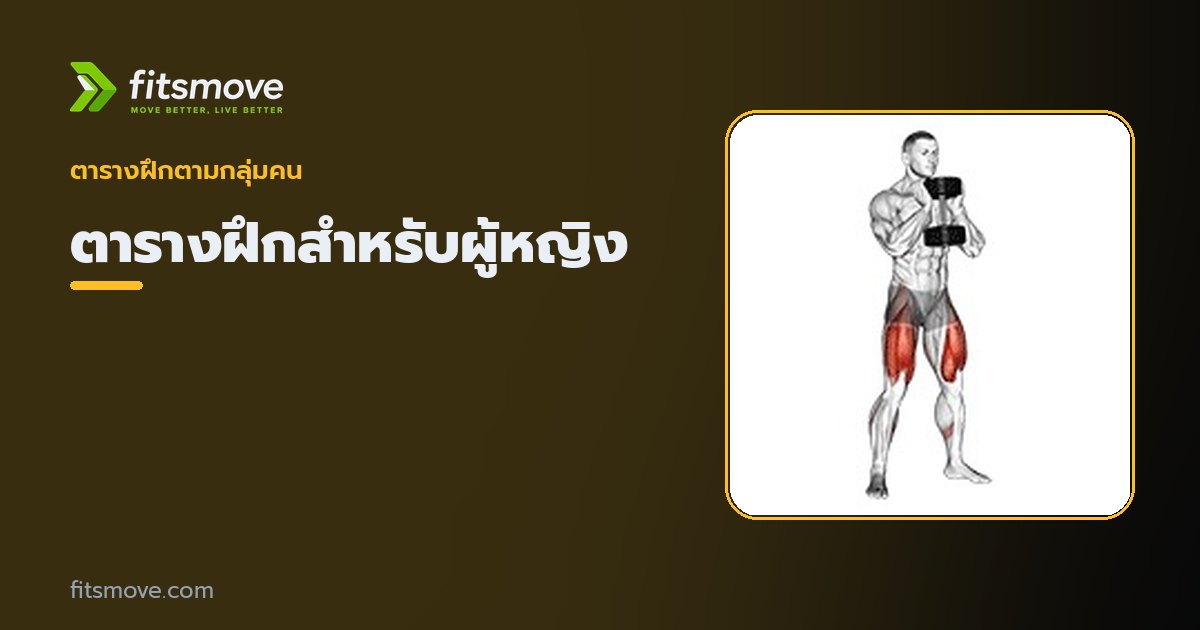
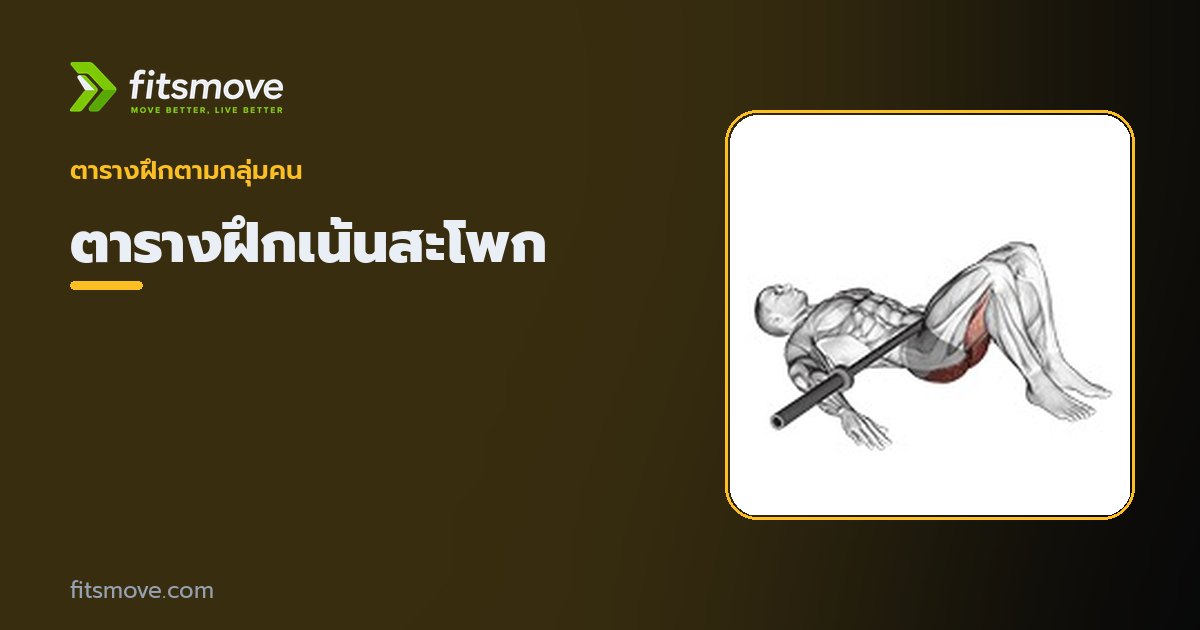
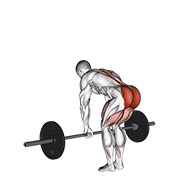
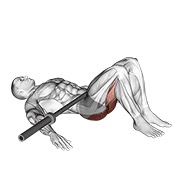
The barbell glute bridge is the floor-based cousin of the hip thrust and a superb place to learn the pattern and build a strong squeeze. For the back of the legs and the glutes together, the barbell Romanian deadlift is essential, teaching you to hinge from the hips and stretch the glutes and hamstrings under load. The forward lunge adds single-leg work that hammers each glute independently and evens out side-to-side differences, while the dumbbell goblet squat trains the glutes and quads through a deep, controlled range.
The mind-muscle connection
Glutes are notorious for being hard to feel. Because so many people spend their days sitting, the glutes often fail to fire properly even during exercises that should target them, letting the quads and lower back take over. Building a strong mind-muscle connection fixes this, and it is one of the fastest ways to make a glute program actually work.
Start each session with a light glute bridge or a few slow, deliberate reps where your only job is to feel the glutes contract. On every working set, think about driving through your heels and squeezing your glutes hard at the top of the movement, pausing for a beat before lowering. Slower, more controlled reps beat fast, sloppy ones here. If you feel a movement mostly in your lower back or the front of your thighs, lighten the load and reconnect with the squeeze before adding weight again.
A sample glute-focused week
Here is a weekly plan that trains the glutes twice with plenty of direct work while still covering the rest of the lower body. Run the two lower-body days on non-consecutive days, and always begin with a warm-up that includes a few glute activation reps.
| Day | Focus | Main exercises |
|---|---|---|
| Day 1 | Glute strength | Hip thrust 4 x 8, Romanian deadlift 3 x 8, forward lunge 3 x 10 each leg, glute bridge 3 x 15 |
| Day 2 | Upper body | Press 3 x 8, row 3 x 10, plus core work |
| Day 3 | Glute volume | Glute bridge 4 x 12, goblet squat 3 x 12, hip thrust 3 x 12, single-leg hip work 3 x 12 |
Rest 90 seconds to two minutes between the heavier sets and around 60 seconds on higher-rep glute work. Beginners can drop to a single glute-focused day and build up. The key is training the glutes hard about twice a week with at least 48 hours between sessions.
Sets, reps, and progression
The glutes respond well to a mix of rep ranges. Use the 6 to 10 rep range on your heaviest hip thrusts and Romanian deadlifts to build strength and tension, then add higher-rep work in the 12 to 20 range on bridges and single-leg movements, where a strong squeeze and a full stretch matter more than heavy load. Aim for roughly 10 to 16 hard sets for the glutes across the week, split between your two lower-body days.
Progress with progressive overload: add a little weight or a rep whenever you can complete your target with a clean, controlled squeeze. Do not sacrifice the squeeze to chase heavier numbers, because a hip thrust that becomes a lower-back exercise no longer trains the glutes. Track your sessions so you always know what to beat next time. Our muscle building guide explains the principles behind these numbers in more detail.
Programming glutes into your week
How you fit glute work into your week depends on your overall routine. If you follow a full-body plan, include one hip-dominant movement such as a hip thrust or Romanian deadlift in most sessions. On an upper/lower split, both of your lower days can carry direct glute work. Whatever the structure, the goal is the same: train the glutes with quality volume about twice a week, and give them at least 48 hours to recover between hard sessions.
Recovery matters as much as the training itself. The glutes are a large muscle group, so they need enough total calories, protein, and sleep to grow. Prioritise protein across your meals and protect seven to nine hours of sleep a night, since that is when most of the rebuilding happens. Our protein and recovery guide covers the details. Building noticeable glutes is a project measured in months, not weeks, so consistency is what turns a good plan into real results.
ข้อผิดพลาดที่พบบ่อย (Common mistakes)
- Feeling everything in the lower back or quads. If your hips are not doing the work, lighten the load and rebuild the squeeze before adding weight.
- Skipping the squeeze at the top. The top of a hip thrust or bridge is where the glutes work hardest. Pause and squeeze rather than rushing through.
- Only ever squatting. Squats train the glutes, but they are quad-dominant. Add hip thrusts, bridges, and hinges for full glute development.
- Going too heavy too soon. Loading up before you can feel the glutes just shifts the work elsewhere. Earn the weight with clean form.
- Training glutes only once a week. Twice a week with adequate volume produces far better results than one punishing session.
คำถามที่พบบ่อย (FAQ)
How often should I train glutes? About twice a week is the sweet spot for most people, with at least 48 hours between hard sessions. That frequency lets you accumulate enough quality volume while still recovering fully.
Can I grow my glutes without weights? You can build a strong connection and make early progress with bodyweight bridges and single-leg work, but adding external load through hip thrusts and Romanian deadlifts drives far greater growth over time.
Why can't I feel my glutes working? This is very common, usually from a lot of sitting. Warm up with light glute bridges, slow every rep down, and focus on squeezing at the top. The connection improves quickly with practice.
สรุป (Summary)
Well-developed glutes power your whole lower body, protect your back, and reshape your physique, but they need dedicated, focused work to grow. Anchor your plan around hip thrusts, glute bridges, Romanian deadlifts, and lunges, train the glutes about twice a week, build a strong squeeze on every rep, and apply steady progressive overload. Ready to follow a structured plan built around exactly this? Choose one of our glute and lower-body programs and start today.
Ready to put this into action? Start with a program for your level.
View programs →