Your first time at the gym: where to start
The hardest part of starting at a gym is usually not the workout. It is walking through the door for the first time, unsure where to put your bag, which machine to touch, or whether everyone is watching. Almost every experienced lifter felt exactly the same way once. The reassuring truth is that a gym is just a room full of tools, and with a simple plan you can have a confident, productive first session without knowing anything fancy.
This guide covers everything for that first visit: how to prepare before you go, the unwritten etiquette that keeps everyone happy, a ready-to-follow plan for day one, the basic machines worth knowing, and the common beginner mistakes that are easy to sidestep.
How to prepare before you go
A little preparation turns nerves into confidence. Pack the night before so the morning is simple: comfortable clothes you can move in, closed shoes with a flat sole, a water bottle, and a small towel. If your gym requires a lock, bring one. Eat a light meal an hour or two beforehand so you have energy without feeling heavy.
Decide your plan in advance rather than improvising on the floor. Knowing your exercises, sets, and reps before you arrive removes most of the uncertainty. Our beginner guide lays out the fundamentals clearly, and writing your plan on your phone means you never have to stand around wondering what comes next.
Gym etiquette that keeps everyone happy
Gym etiquette is mostly common courtesy, and following it makes you feel like you belong. The core rules are simple and universal.
- Wipe down equipment after you use it, especially benches and pads.
- Re-rack your weights and return dumbbells and plates to their proper place.
- Share equipment between your sets; let others "work in" if they ask.
- Give people space and avoid standing right in front of the dumbbell rack.
- Keep your phone calls and rest times reasonable so you are not occupying a station you are barely using.
Nobody expects a beginner to know everything, and most people are friendly if you ask. Following these basics signals respect, and respect is returned. If you accidentally break a rule, a quick apology and a correction is all anyone expects; people remember effort and courtesy far more than a perfect first day.
One more piece of etiquette worth knowing: avoid filming or photographing other members, and keep your music in your headphones. Gyms are shared spaces, and the people around you are there to focus on their own training. The more considerate you are, the faster the room starts to feel like yours too.
A plan for day one
Keep your first session short and full-body. The goal is to learn how movements feel and leave wanting to come back, not to exhaust yourself. A simple full-body session using a few machines covers your whole body and builds confidence fast.
| Exercise | Area | Sets x reps |
|---|---|---|
| Leg press | Legs | 2 x 10-12 |
| Chest press | Chest | 2 x 10-12 |
| Seated row | Back | 2 x 10-12 |
| Lat pulldown | Back | 2 x 10-12 |
| Plank | Core | 2 x 20-30 sec |
Start each exercise with a very light weight to learn the path, then add a little for your working sets. Rest a minute or two between sets, and stop while you still feel good. If a machine feels confusing, ask a staff member; that is exactly what they are there for. For bodyweight options you can mix in or do on quieter days, see our full body bodyweight guide.
The basic machines worth knowing
A handful of machines will cover almost everything a beginner needs. The leg press trains your legs with your back supported. The chest press builds pushing strength along a stable path, a natural lead-in to work in the chest category. The seated row and lat pulldown develop your back and posture, which helps if you sit at a desk all day.
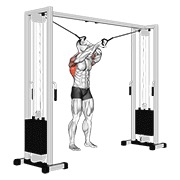
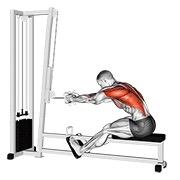
Each of these guides the weight along a fixed path, so you can focus on smooth, controlled reps instead of balancing. That makes them the friendliest starting point in the room. Our gym machines for beginners guide explains how to set each one up and how to progress toward free weights when you are ready.
Finding your way around
Take a slow lap when you arrive to locate the changing rooms, water, machines, and free-weight area. Knowing the layout removes a surprising amount of stress. Most gyms group machines by body part, so once you spot the leg machines, the chest machines, and the cable area, the rest falls into place.
Do not feel you must use the busy free-weight section on day one. Starting on machines is completely normal and effective. You can explore barbells and dumbbells later, once the basics feel familiar and your confidence has grown.
It also helps to pick a quieter time for your first few visits if your schedule allows. Mid-morning and early afternoon are usually calmer than the after-work rush, which means more free machines and less pressure to hurry. A relaxed first week, when you can take your time reading machine diagrams and trying things without a queue forming behind you, makes the whole habit far easier to keep.
Common beginner mistakes
- Doing too much too soon. A short, manageable session you repeat beats an exhausting one that leaves you too sore to return.
- Lifting too heavy. Start light, learn the movement, then add load gradually. Form comes first.
- Skipping the warm-up. A few minutes of light cardio and easy reps prepares your body and reduces stiffness.
- Comparing yourself to others. Everyone started somewhere; focus on your own steady progress.
- Having no plan. Wandering between machines wastes time and confidence. Arrive knowing what you will do.
For a deeper look at the traps newcomers fall into, our article on the most common beginner mistakes is a useful companion read.
Frequently asked questions (FAQ)
Is everyone watching me at the gym? Almost never. Most people are focused on their own workout, their music, or their phone between sets. The self-consciousness fades quickly once you realise how little attention anyone is paying.
Should I get a trainer for my first session? It can help, but it is not essential. Many gyms offer a free introductory walkthrough of the machines. A clear written plan and a willingness to ask staff a question will carry you a long way on your own.
How long should my first workout be? Around thirty to forty-five minutes is plenty. A short, positive first session you actually enjoy is far more valuable than a marathon that leaves you dreading the next visit.
Summary
Your first time at the gym is mostly a confidence hurdle, and a simple plan clears it. Prepare your bag and your routine in advance, follow the basic etiquette of wiping down and re-racking, and run a short full-body session on a few beginner-friendly machines: leg press, chest press, seated row, lat pulldown, and a plank. Start light, learn how each movement feels, and leave wanting to come back.
Ready to make it a habit? Learn the fundamentals in our beginner guide, get comfortable with the equipment using our gym machines for beginners guide, and pick a ready-made beginner program so every session is planned for you. Take the first step, and the rest gets easier fast.
Ready to put this into action? Start with a program for your level.
View programs →