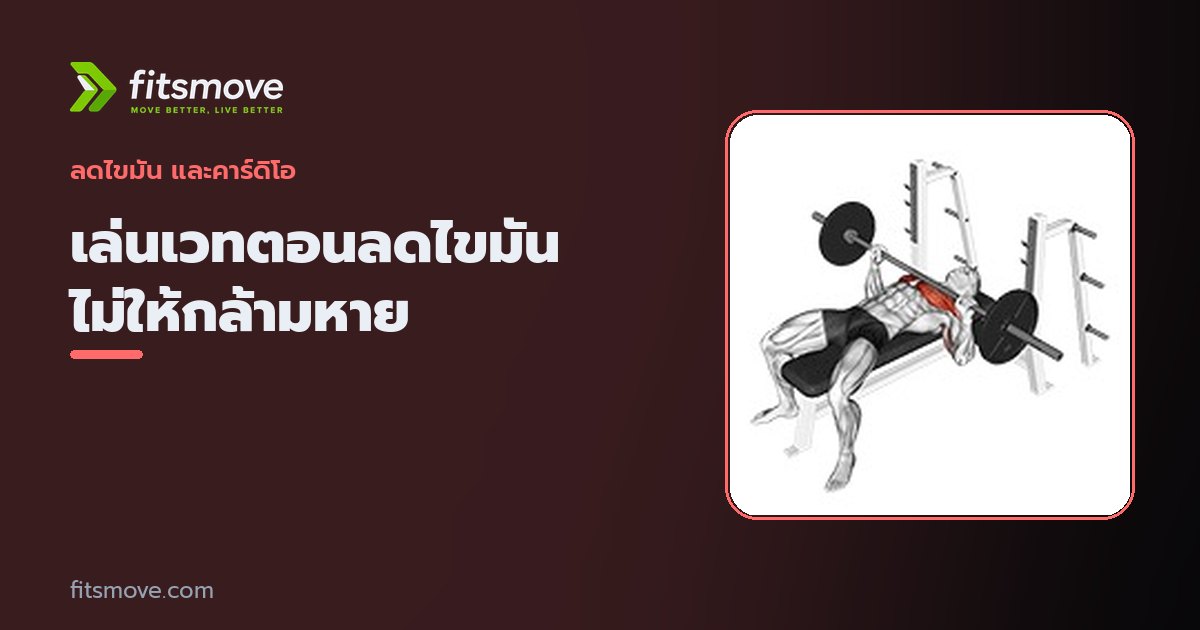

A 20-minute home fat-loss circuit
You do not need a gym, fancy machines, or hours of free time to support fat loss at home. A short, well-built circuit can raise your heart rate, work every major muscle group, and fit into a busy day. The catch is that no workout burns fat on its own. Movement helps, but the steady results come from pairing training with a sensible eating pattern over weeks and months. This article gives you a complete 20-minute home circuit, a sample session laid out as a table, and clear ways to make it easier or harder so it grows with you.
How a fat-loss circuit actually works
A circuit means moving from one exercise to the next with short rests, then repeating the whole list for several rounds. Keeping rests brief keeps your heart rate up, so you blend strength work and conditioning in one session. That makes circuits time-efficient and a useful tool for people who train at home.
Here is the honest framing: the calories burned during 20 minutes of exercise are real but modest. What matters more is the cumulative effect of training often, keeping muscle while you lose fat, and managing your overall energy intake. Fat loss happens when you are in a small, sustainable calorie deficit over time, not because of any single workout. Think of this circuit as one helpful habit inside a bigger picture that also includes food, sleep, and daily movement.
Warm up before you start
Spend three to five minutes getting your body ready. March in place, swing your arms, roll your shoulders, and do a few slow bodyweight squats. A short warm-up raises your core temperature, primes your joints, and lowers injury risk. It also makes the first round feel far smoother. Skipping it to save time usually costs you more in the long run.
The four core movements
This circuit uses four bodyweight staples that together cover pushing, squatting, full-body power, and core control. Each one scales easily, so the same circuit works whether you are brand new or already fit.
- The burpee is a full-body movement that gets your heart rate up fast and trains many muscles at once.
- The jump squat builds lower-body power and adds an explosive element that raises intensity.
- The mountain climber drives your knees toward your chest in a plank position, working your core and conditioning together.
- The push-up trains your chest, shoulders, and arms while your core stays braced.
A sample 20-minute circuit
Move through the four exercises in order with the listed rest, then rest a little longer between rounds. Aim for 3 to 4 rounds depending on your fitness. The whole session, warm-up included, fits inside 20 minutes.
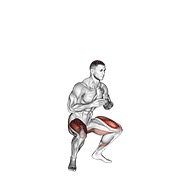
| Exercise | Reps / time | Rest |
|---|---|---|
| Burpee | 8-10 | 30 sec |
| Jump squat | 12-15 | 30 sec |
| Mountain climber | 30 sec | 30 sec |
| Push-up | 8-12 | 60 sec |
After the push-up rest, that is one round. Repeat the list 3 to 4 times. If four rounds feels like too much at first, start with two and build up over a few weeks. Quality of movement always comes before speed.
How to scale it to your level
The same four moves can suit very different people. Adjust the difficulty rather than skipping the session entirely on harder days.
| Level | Adjustment |
|---|---|
| Beginner | Step back in the burpee instead of jumping, do regular squats, slow mountain climbers, kneeling push-ups |
| Intermediate | Full burpees, jump squats, faster mountain climbers, standard push-ups |
| Advanced | Add a fourth round, shorten rests to 20 sec, slow the lowering phase of each rep |
If you are new to structured training, our beginner programs give you an easier on-ramp before you push the pace here. For more bodyweight ideas, you can also explore our cardio section.
How often to do it
Two to four sessions a week is a sensible range for most people. Leave at least a day between hard sessions so your body recovers and you can train with good form. More is not automatically better: piling on daily high-intensity work without recovery tends to backfire through fatigue and sloppy technique.
Pair these circuits with everyday movement like walking, and with steady eating habits, and you have a routine you can actually keep. Consistency over months beats a perfect week followed by burnout. If progress stalls for a while, that is normal, and our guide on the fat-loss plateau explains why and what to adjust.
Common mistakes
- Going all-out on round one. Pace yourself so you can finish all rounds with clean form, not just survive the first.
- Letting form fall apart. A sloppy burpee or sagging push-up trades safety for speed. Slow down before your technique breaks.
- Treating exercise as a licence to overeat. A 20-minute circuit burns less than most people assume. Let your food choices, not your workout, drive the deficit.
- Training every single day. Recovery is when your body adapts. Daily intense circuits without rest lead to fatigue and injury.
- Expecting fast results. Sustainable fat loss is gradual. Chasing rapid drops usually means losing muscle and rebounding later.
Frequently asked questions (FAQ)
Can a 20-minute circuit really help me lose fat? It can be a valuable part of the process, but not on its own. Combined with a modest calorie deficit, regular sleep, and daily movement, short circuits support steady fat loss over time.
What if burpees hurt my knees or wrists? Swap to a step-back version, raise your hands on a sturdy surface, or replace it with another exercise. If pain persists, it is wise to check with a qualified professional before continuing.
How soon will I see changes? Most people notice changes over several weeks to a few months, not days. Patience and consistency matter far more than intensity in any single session.
Summary
A 20-minute home circuit is one of the simplest ways to add useful training to a busy life. Warm up, move through the four exercises with good form, scale the difficulty to where you are, and repeat two to four times a week. Remember that the circuit supports fat loss but does not replace sensible eating and recovery. When you want a structured plan to follow, browse our programs and pick one that matches your level. If any movement causes sharp pain, stop and consider speaking with a professional.
Ready to put this into action? Start with a program for your level.
View programs →