

Breaking a fat-loss plateau
You were losing fat steadily, then the scale simply stopped moving. The diet has not changed, you are still training, and yet the progress has stalled for weeks. This is a fat-loss plateau, and almost everyone hits one. The frustrating part is that it feels like your body has broken the rules, when in reality your body is following them perfectly.
A plateau is not a sign of failure or a broken metabolism. It is usually a normal, explainable adjustment that you can diagnose and work through calmly. This article walks through why plateaus happen, how to check whether you are truly still in a deficit, and the often-overlooked roles of daily movement, sleep, and stress. The approach throughout is steady and sustainable, never extreme. If a stall comes with worrying symptoms or you have a health condition, speak with a qualified professional.
Why the scale stalls
As you lose weight, your body needs fewer calories to run. A lighter body burns less during movement and at rest, so the deficit that once drove steady loss slowly shrinks until you are simply eating at your new maintenance level. This is the most common and most natural cause of a plateau, and it is not a malfunction.
At the same time, two quieter changes often happen together. Portions tend to creep up as vigilance fades, and daily movement tends to drop as your body subtly conserves energy. The result is a deficit that has narrowed or closed without you noticing. Understanding this is reassuring: the fix is rarely drastic, just a careful look at the inputs. For the underlying principle, revisit calorie deficit basics.
First, check the deficit is real
Before changing anything, confirm what is actually happening. Most stalls are not mysterious, they are measurement gaps. The honest first step is to audit your intake and your output for a week.
| Check | What to look for | Common fix |
|---|---|---|
| Portion creep | Bigger servings, untracked bites | Measure honestly for a week |
| Weekend drift | Strict weekdays, loose weekends | Average across all seven days |
| Liquid calories | Drinks, sauces, oils, snacks | Account for everything you consume |
| Daily movement | Fewer steps than before | Track and rebuild your steps |
| Water and trend | Daily weight noise | Judge by the multi-week average |
Be especially honest about weekends and untracked extras, since a few hundred uncounted calories a day can erase a modest deficit entirely. Often the deficit is not gone, it is just hidden. Tightening up your accuracy for a week resolves many "plateaus" without any other change.
NEAT: the movement you forget
NEAT stands for non-exercise activity thermogenesis, which is all the energy you burn outside formal workouts: walking, standing, fidgeting, doing chores. It is a large and surprisingly variable part of your daily burn, and it quietly drops during a diet as your body conserves energy and as fatigue makes you less active.
This silent decline can stall fat loss even when your eating is unchanged. The good news is that NEAT is something you can rebuild deliberately. Add a daily step target, take walking breaks, use stairs, and add easy cardio that does not tax your recovery. Topping up daily movement is often a gentler and more sustainable lever than cutting food further. For low-stress options, see the best cardio for fat loss.
Sleep and stress
Recovery is not just about muscle, it shapes fat loss too. Poor sleep increases appetite, drives cravings for high-calorie foods, lowers your willpower, and reduces your daily movement because you feel tired. Several short nights in a row can quietly tip a deficit into maintenance through more eating and less moving.
Chronic stress works in a similar direction, nudging appetite up and motivation down. None of this means your hormones have sabotaged you, but it does mean sleep and stress are practical levers worth managing. Aim for consistent, sufficient sleep and build in genuine recovery. Often, fixing sleep restarts progress more reliably than any change to the diet itself.
Protect muscle while you push through
When the scale stalls, the instinct is to slash calories hard. Resist that. Severe cuts tend to accelerate muscle loss, crush your energy and training quality, and make the plateau worse, not better. The goal during a stall is to keep the deficit modest and keep training to signal your body to hold onto muscle.
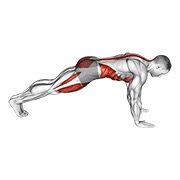
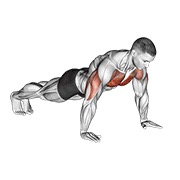
Keep resistance training in your week and keep protein high, both of which protect lean tissue. Compound bodyweight moves like the push-up and the mountain climber keep the training stimulus going without needing a gym. For the full picture, see how to keep muscle while cutting. Holding onto muscle keeps your metabolism healthier and your results looking better.
The diet break and a measured restart
If you have been in a deficit for many weeks and feel worn down, a planned diet break can help. This means eating at maintenance for a short period, not abandoning the plan. A break can ease the fatigue of prolonged dieting, support adherence, and give a mental reset, which often makes the next phase more productive.
When you return to a deficit, make small, deliberate changes rather than dramatic ones. Restore your daily movement first, tighten your tracking, and only then trim intake slightly if needed. Steady, patient adjustments beat severe ones every time, because the version of the plan you can stick to is the one that works. For structured support through this, our programs can keep your training on track.
ข้อผิดพลาดที่พบบ่อย (Common mistakes)
- Slashing calories drastically at the first stall. This harms muscle and energy and rarely fixes the real cause.
- Ignoring untracked extras and weekends. Hidden calories are the most common reason a deficit disappears.
- Overlooking falling daily movement. A drop in NEAT can stall progress even with perfect eating.
- Treating daily weight as truth. Water swings hide the real trend. Use the multi-week average.
- Skipping resistance training during a cut. Without it, more of what you lose can be muscle.
คำถามที่พบบ่อย (FAQ)
How long before a stall counts as a real plateau? Give it two to three weeks of consistent effort judged by your weekly average. Shorter than that is usually normal water-weight noise, not a true plateau.
Should I just eat much less to break through? No. Severe cuts harm muscle, energy, and adherence. Start by confirming your deficit is real and rebuilding daily movement, then adjust intake only slightly if needed.
Is a stalled scale always bad? Not necessarily. If you are training hard, your body composition may be improving even when weight holds steady. Use measurements and how clothes fit alongside the scale.
สรุป (Summary)
A fat-loss plateau is normal, explainable, and fixable without extreme measures. As you get lighter your calorie needs fall, portions can creep up, and daily movement can quietly drop, so the first step is always to confirm the deficit is real rather than to slash food. Rebuild your NEAT, protect your sleep and manage stress, keep training and protein high to hold onto muscle, and consider a short diet break if you are worn down. Then restart with small, patient adjustments. Steady and sustainable wins. For guided structure to keep momentum, explore our programs.
Ready to put this into action? Start with a program for your level.
View programs →