EPOC and the afterburn effect explained
You have probably seen the claim on a gym poster or a fitness app: "Keep burning calories for hours after you stop." That extra burn has a real name, EPOC, and it is genuine physiology, not marketing fiction. But like many useful ideas in fitness, it gets stretched into something it is not. Some programs imply the afterburn does most of the fat-loss work for you, which simply is not true.
This article explains what EPOC actually is, why high-intensity work produces more of it, how big the effect really is once you look at the numbers, and how to use it sensibly inside a sustainable, healthy plan. The goal is not hype. It is a clear, honest picture so you can train smart and set realistic expectations. If you have a heart condition, are new to intense exercise, or are returning from injury, check with a qualified professional before adding hard interval work.
What EPOC actually is
EPOC stands for excess post-exercise oxygen consumption. In plain language, after a demanding workout your body keeps using more oxygen, and therefore burning more energy, than it does at rest. This elevated state can last anywhere from a short while to many hours depending on how hard and how long you trained.
The reason is that exercise disturbs your body's internal balance. Once you stop, your system has housekeeping to do: replenishing energy stores, clearing metabolic byproducts, restoring oxygen levels in blood and muscle, repairing tissue, and bringing body temperature and hormones back toward normal. All of that costs energy, and that ongoing cost is what we measure as the afterburn.
Why intensity drives the afterburn
Not all training produces the same EPOC. The harder you push relative to your capacity, the bigger the disturbance, and the more work your body must do afterward to recover. This is why brief, intense efforts tend to generate a larger afterburn per minute than easy, steady movement.
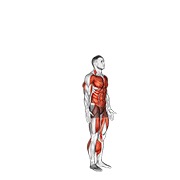
When you sprint, do burpees, or push through tough intervals, you tap anaerobic energy systems, accumulate metabolic stress, and create a larger "recovery debt." Lower-intensity work like a relaxed walk barely disturbs the system, so it produces very little EPOC. This is the core idea behind the afterburn reputation of HIIT explained: short, hard bouts ask a lot of the body, so recovery costs more.
How big is the effect, really
Here is where honesty matters. EPOC is real, but the calorie figure is usually modest. For most workouts the afterburn adds somewhere in the range of a small snack's worth of calories, often cited at roughly 6 to 15 percent of the calories burned during the session itself, and frequently toward the lower end for typical training.
| Factor | Effect on EPOC | Practical note |
|---|---|---|
| Intensity | Higher intensity, larger afterburn | The single biggest lever |
| Duration | Longer hard work adds more | But you cannot sprint forever |
| Resistance training | Notable, especially heavy compound work | Building muscle helps long term |
| Steady easy cardio | Very small afterburn | Still valuable for total burn and health |
| Fitness level | Trained people recover faster | Afterburn per session can shrink as you adapt |
So if a session burns 300 calories, the afterburn might add roughly 20 to 45 calories. Useful, but it will not rescue a poorly managed diet. The calories burned during the workout, plus your daily movement and food choices, still do the heavy lifting. For the foundation, see calorie deficit basics.
Do not over-claim it
The biggest mistake people make is treating EPOC as a shortcut. You may have heard that a short intense workout "burns fat for 48 hours" and beats an hour of steady cardio. The afterburn is real, but it does not replace consistent energy balance, and chasing it with daily all-out sessions usually backfires through fatigue and injury.
A healthy way to think about it: EPOC is a small, welcome bonus on top of a sound plan, not the plan itself. Sustainable fat loss comes from a modest calorie deficit, enough protein, regular activity, and decent sleep, repeated over months. The afterburn is a rounding error compared to those fundamentals, so it deserves attention but not obsession.
How to use it sensibly
You can still take advantage of EPOC without overdoing it. The practical approach is to include some higher-intensity work in a balanced week, while protecting recovery. A reasonable structure might be two short interval sessions and the rest as easy movement and resistance training.
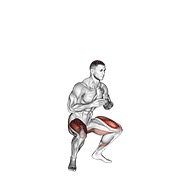
Bodyweight intervals are an easy entry point. Movements like the jump squat and the mountain climber raise intensity quickly with no equipment. Resistance training also contributes meaningfully, since heavier compound work creates its own recovery cost and builds muscle that raises your resting burn over time. If you want a structured path, the intermediate program blends intensity and recovery in a sensible way.
Intensity is a tool, not a goal
Because intensity drives the afterburn, it is tempting to make every session brutal. Resist that. Intensity is a powerful tool precisely because you use it selectively. If everything is hard, nothing recovers, your performance drops, and the quality of your hard sessions falls too.
Think of your week as a mix: a couple of genuinely hard efforts that earn a real afterburn, supported by easier work that lets you recover and keep showing up. This balance keeps training sustainable, which is what actually produces results. For a fuller comparison of training styles, see the best cardio for fat loss.
ข้อผิดพลาดที่พบบ่อย (Common mistakes)
- Treating EPOC as the main driver of fat loss. It is a small bonus, not the engine. Energy balance is.
- Believing the "burns for 48 hours" hype. The effect is real but modest, and shorter than the boldest claims suggest.
- Doing all-out sessions every day to chase afterburn. This invites fatigue and injury and lowers session quality.
- Ignoring steady cardio because its afterburn is small. Easy work still burns calories, aids recovery, and supports heart health.
- Using EPOC to justify eating back far more than you burned. The math rarely works in your favor.
คำถามที่พบบ่อย (FAQ)
Does EPOC mean I burn fat for two full days after a workout? Not in any meaningful amount. The elevated burn is real but usually modest and tapers within hours. Treat it as a small bonus, not a 48-hour fat-burning event.
Is HIIT better than steady cardio because of the afterburn? HIIT does produce more afterburn per minute, but the difference in total calories is small. Choose based on what you enjoy and can sustain, since consistency matters far more than afterburn.
Does lifting weights cause EPOC too? Yes. Hard resistance training, especially heavy compound lifts, creates a notable recovery cost and builds muscle that gently raises your resting metabolism over time.
สรุป (Summary)
EPOC, the afterburn, is genuine physiology: after hard training your body keeps burning a little extra while it recovers. Intensity is the main lever, so brief, demanding efforts and heavy lifting produce more of it than easy movement. But the honest takeaway is that the effect is modest, usually a small fraction of the calories you burned during the session. Use it as a bonus, not a strategy: include a couple of intense sessions a week, protect your recovery, and build everything on a sustainable calorie deficit and consistent activity. Ready to put it into a balanced plan? Explore a structured option in our programs.
Ready to put this into action? Start with a program for your level.
View programs →