HIIT explained, with a 15-minute sample
HIIT, short for High-Intensity Interval Training, has earned a reputation as the time-saver's cardio: big results in short sessions. That reputation is mostly deserved, but HIIT is also widely misunderstood. Many people turn every workout into an all-out scramble, burn out within weeks, and conclude that HIIT does not work. Done with structure and respect for recovery, it is a genuinely useful tool for fitness and fat loss.
This FitsMove guide explains what HIIT actually is, how to set your work-to-rest ratio, and gives you a clear 15-minute sample session you can do with bodyweight alone. We also cover how often to do it and the safety points that keep it productive rather than punishing. HIIT is demanding by design, so if you are new to exercise or have a heart, joint, or other medical condition, get clearance from a doctor before diving in.
What HIIT actually is
HIIT alternates short bursts of hard effort with periods of easier recovery, repeated for several rounds. The defining feature is the intensity of the work intervals: during them you push close to your limit, hard enough that holding a conversation is not possible. The recovery intervals let your heart rate drop partway so you can attack the next burst with real effort.
That structure is what separates HIIT from steady cardio, where you hold one moderate pace throughout. By spiking and dropping the effort repeatedly, HIIT lets you accumulate a lot of high-intensity work in a short window, which drives strong improvements in cardiovascular fitness and burns a solid number of calories per minute.
Why it works
The hard intervals push your heart, lungs, and muscles to adapt quickly, improving both aerobic and anaerobic fitness. Because the effort is so high, you can get a meaningful training stimulus in far less time than steady cardio requires, which is the main appeal for busy people.
HIIT also produces a modest afterburn: your body keeps burning slightly more energy than usual for a while as it recovers and returns to baseline. This effect is real but often overhyped, so do not expect it to transform your results on its own. The full mechanism is broken down in EPOC and the afterburn. Treat the afterburn as a small bonus on top of the calories you burn during the session.
Setting your work-to-rest ratio
The work-to-rest ratio is the heart of programming HIIT. A 1:2 ratio, for example 30 seconds hard and 60 seconds easy, gives you more recovery and suits beginners. A 1:1 ratio is harder, and ratios that favor work over rest are for advanced athletes only. More rest is not a weakness; it lets you hit each work interval with the intensity that makes HIIT effective.
| Ratio | Example | Best for |
|---|---|---|
| 1:3 | 20s work / 60s rest | Beginners, learning the format |
| 1:2 | 30s work / 60s rest | Most people, a reliable default |
| 1:1 | 30s work / 30s rest | Intermediate, well-conditioned |
| 2:1 | 40s work / 20s rest | Advanced only, use sparingly |
Start easier than you think you need. If your form falls apart or you cannot keep the work intervals genuinely hard, lengthen the rest.
A 15-minute sample session
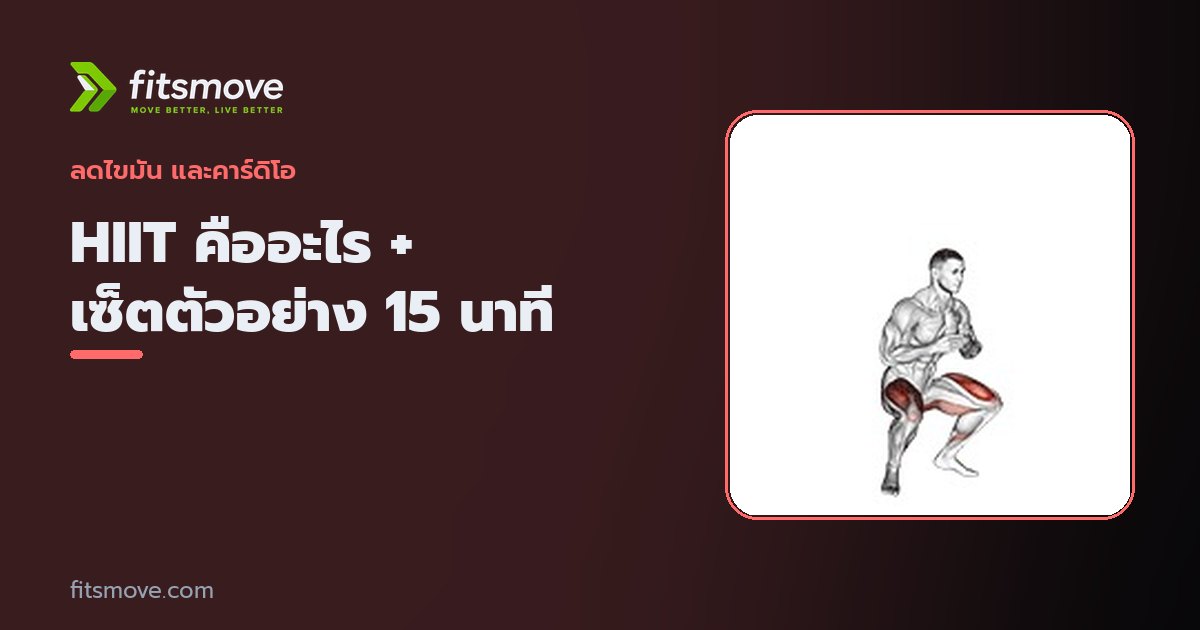
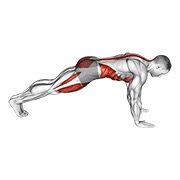
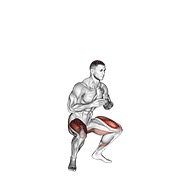
Here is a simple bodyweight HIIT session using a 30-seconds-work, 60-seconds-rest structure (1:2). Warm up with five minutes of easy movement first, then run the rounds below. During each work interval, move with control and good form; during rest, walk slowly or breathe and reset.
| Interval | Exercise | Work | Rest |
|---|---|---|---|
| 1 | Jump squat | 30s | 60s |
| 2 | Mountain climber | 30s | 60s |
| 3 | Burpee | 30s | 60s |
| 4 | Jump squat | 30s | 60s |
| 5 | Mountain climber | 30s | 60s |
| 6 | Burpee | 30s | 60s |
Six intervals at 90 seconds each is nine minutes of work and rest. With a five-minute warm-up and a one-minute cooldown, you land right around 15 minutes. If that feels too easy, drop the rest to 45 seconds next time before adding rounds.
How often to do HIIT
Because HIIT is so demanding, more is not better. For most people, two to three sessions per week is the sweet spot, with at least a day between them. Stacking hard intervals on consecutive days, or piling them on top of heavy leg training, eats into recovery and tends to stall progress.
Think of HIIT as one ingredient in a balanced week, not the whole meal. Pair it with resistance training, easy steady cardio, and plenty of walking. If you want a structure that places HIIT intelligently alongside lifting, the intermediate FitsMove programs lay out a sensible weekly rhythm so nothing competes for your recovery.
Safety and form
Intensity only pays off when your technique holds up. Tired, sloppy reps are where injuries happen, so stop a work interval early if your form breaks down rather than grinding out ugly reps. Always warm up first, ease into the format over a few weeks, and choose lower-impact moves if your joints are sensitive.
Listen to your body during and after sessions. Some breathlessness and muscle fatigue are normal; sharp pain, dizziness, or chest discomfort are not, and mean you should stop. Beginners and anyone returning from a layoff should start with the gentler ratios and build up gradually. There is no prize for hurting yourself in week one.
ข้อผิดพลาดที่พบบ่อย (Common mistakes)
- Going all-out every single day. HIIT needs recovery; two to three sessions a week is plenty.
- Cutting rest too short. Too little recovery means weak work intervals and lost intensity.
- Skipping the warm-up. Cold muscles plus explosive moves is a recipe for injury.
- Letting form collapse when tired. Stop the interval early instead of grinding out sloppy reps.
- Treating HIIT as the whole plan. It works best alongside lifting, walking, and steady cardio.
คำถามที่พบบ่อย (FAQ)
Is HIIT better than steady cardio? Neither is universally better. HIIT saves time and builds intensity; steady cardio is gentler and easier to recover from. The best choice is the one you will do consistently and can fit around your other training.
How long should a HIIT session be? Short. Real HIIT is hard to sustain, so 10 to 20 minutes of intervals plus a warm-up and cooldown is usually enough. If you can keep going for 40 minutes, you were not training at true high intensity.
Can beginners do HIIT? Yes, with care. Start with generous rest (a 1:3 ratio), lower-impact moves, and just two sessions a week. Build intensity slowly, and check with a doctor first if you have any health concerns.
สรุป (Summary)
HIIT is a powerful, time-efficient way to build fitness and support fat loss, as long as you respect its two rules: keep the work intervals genuinely hard, and give yourself enough rest to repeat them well. Use a 1:2 ratio to start, try the 15-minute bodyweight session above, and cap it at two or three sessions a week so it complements rather than wrecks your recovery. When you are ready to slot it into a complete plan, explore the intermediate FitsMove programs and let everything work together.
Ready to put this into action? Start with a program for your level.
View programs →