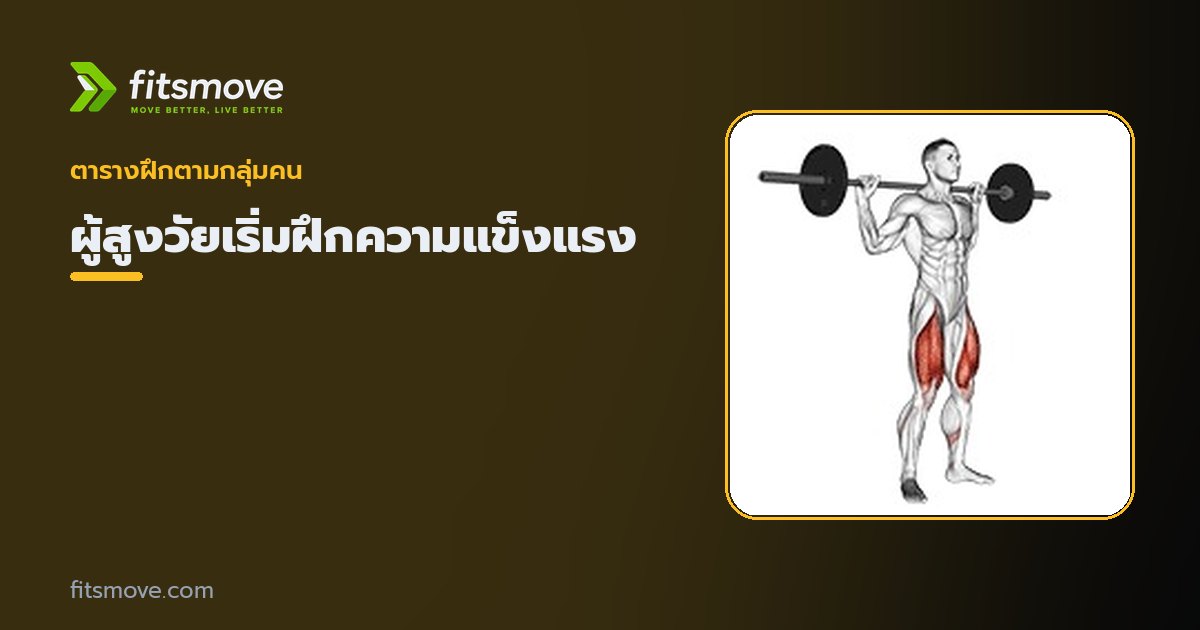
Strength basics for seniors
There is a persistent and harmful myth that strength training is only for the young. In reality, it may be more valuable in your sixties, seventies, and beyond than at any other stage of life. As we age, we naturally lose muscle and bone, a process that quietly erodes independence, balance, and confidence. Strength training is the most effective way to slow, halt, and even reverse much of that decline. It is never too late to start, and the gains that older adults make are often dramatic.
This guide is written for beginners in their later years and for the family members helping them. It focuses on why strength matters so much now, how to start safely with very light loads and clean form, which movements are gentlest to begin with, and a simple weekly schedule. One thing must come first, though. This is general educational information, not medical advice. Before beginning any new exercise program, seniors should consult a doctor, especially with any existing health condition, so please treat that step as non-negotiable.
Why strength training matters as you age
After roughly the age of thirty, adults lose muscle mass steadily unless they actively work to keep it, and the rate accelerates in later decades. This loss, known as sarcopenia, is behind much of the weakness and frailty people associate with aging. The encouraging news is that muscle responds to training at any age, so much of this loss is not inevitable, it is a use-it-or-lose-it situation you can influence.
The benefits reach far beyond muscle size. Strength training places healthy stress on your bones, which prompts them to stay denser and stronger, an important defense against fractures. It improves balance and coordination, which dramatically lowers the risk of falls, one of the biggest threats to independence in older age. It also supports joint health, blood sugar control, mood, and the simple ability to carry groceries, climb stairs, and get up from a chair with ease.
Start very light and earn every step
The golden rule for older beginners is to start much lighter than you think necessary and progress slowly. Your muscles will respond quickly, but your joints, tendons, and connective tissue need time to adapt, and rushing is the main way beginners get hurt. There is no prize for lifting heavy in week one, and starting gently is what allows you to keep training for years.
Begin with bodyweight and very light resistance, focusing entirely on learning the movement with good control. You should finish each set feeling like you could comfortably do several more repetitions. This margin keeps you safe and builds confidence. Over the weeks, add small amounts of resistance only once a movement feels easy and controlled, using the gentle principle of progressive overload.
Form comes first, always
Good technique matters even more for older adults, because the margin for error is smaller. Moving through a controlled range of motion, without jerking or holding your breath, protects your joints and gets the most benefit from each repetition. Rushing a movement or using momentum is where strains happen, so slow and deliberate always wins.
If you are unsure whether you are doing a movement correctly, working with a qualified trainer or physiotherapist for a few sessions is a worthwhile investment. The principle that form comes before weight is universal, but it is especially important here. Clean movement with light resistance builds real strength safely, while heavy weight with poor form invites injury.
Safe movements to begin with
You do not need a gym full of equipment to build strength. Many of the most effective beginner movements can be done seated or with support for balance, which is ideal when you are getting started or feeling unsteady. Seated exercises remove balance from the equation so you can focus on the muscles, and holding a sturdy chair or countertop during standing movements gives you a safe way to build confidence.
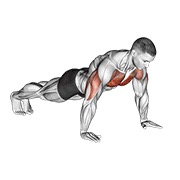
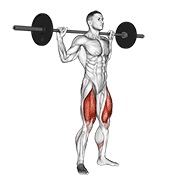
A gentle starting menu might include sit-to-stand from a chair, which is a supported version of the squat, a wall or countertop push-up done at an incline, seated rows with a light resistance band, and a standing march holding a counter for balance. Even a modified plank against a wall or countertop can gently train the core that keeps you upright and steady.
A simple 2-3 day weekly plan
Consistency, not intensity, drives results here. Two to three short sessions a week, with a rest day between, is an excellent target. Full-body sessions work well, training the major muscle groups each time so nothing is neglected. Keep each workout to around thirty minutes including a warm-up, and stop well before exhaustion.
| Day | Session | Focus |
|---|---|---|
| Monday | Full-body, seated and supported | Learn movements, very light |
| Wednesday | Full-body, add balance work | Same movements, gentle progress |
| Friday (optional) | Full-body, lighter day | Reinforce form, stay consistent |
Always begin with a gentle warm-up of easy movements to loosen the joints and raise your temperature, which becomes more important with age. On off days, a walk is excellent light activity and counts as active recovery. Between sessions, adequate protein and rest support recovery, which older muscles need to rebuild and get stronger.
Listen to your body and progress patiently
Learn to tell the difference between normal effort and warning signs. Mild muscle fatigue and a little next-day soreness are expected and healthy. Sharp pain, chest discomfort, dizziness, or unusual shortness of breath are signals to stop immediately and seek advice. There is no benefit in pushing through those, and doing so can be dangerous.
Progress should feel almost boringly gradual. Add a small amount of resistance, one more repetition, or a slightly harder variation only when your current level feels genuinely comfortable and controlled. Over months, these small steps compound into meaningful strength, better balance, and greater independence. Patience is not just safer, it produces better long-term results.
ข้อผิดพลาดที่พบบ่อย (Common mistakes)
- Skipping the doctor's clearance. For seniors, medical sign-off before starting is essential, not optional, especially with any health condition.
- Starting too heavy to prove something. Ego lifting is the fastest route to injury. Start very light and progress slowly.
- Holding your breath while lifting. This can spike blood pressure. Breathe steadily throughout every movement.
- Rushing repetitions with momentum. Slow, controlled movement is safer and builds more strength than swinging the weight.
- Giving up after early soreness. Mild soreness is normal and fades as you adapt. Consistency is what delivers the benefits.
คำถามที่พบบ่อย (FAQ)
Am I too old to start strength training? No. Research consistently shows that adults in their seventies, eighties, and beyond can gain meaningful strength and improve balance and bone health. It is genuinely never too late to begin, provided you get medical clearance and start gently.
Do I need to use weights, or is bodyweight enough? Bodyweight and light resistance bands are plenty to start and are very effective. You can add light dumbbells later. The key is gradual progression, not the equipment you use.
What if I have arthritis or another condition? Strength training can often help joint and general health, but you must work within what is safe for your specific situation. Talk to your doctor or a physiotherapist first. This article is general educational information, not medical advice.
สรุป (Summary)
Strength training is one of the most powerful things an older adult can do for muscle, bone, balance, and independence, and it is never too late to begin. Start very light, keep every movement clean and controlled, and favor seated and supported exercises while you build confidence. Follow a simple two to three day weekly plan with a proper warm-up, progress patiently, and always remember that form comes before weight. Most importantly, get your doctor's clearance before you start. When you are ready, a gentle beginner program or the full range of programs can guide your next steps safely.
Ready to put this into action? Start with a program for your level.
View programs →