A beginner plan if you are overweight
Starting to exercise when you carry extra weight can feel intimidating, but it is one of the most rewarding decisions you can make, and it is completely doable at any size. The goal of this guide is not a crash program or a punishing bootcamp. It is a calm, sustainable plan built around movement you can actually keep doing: low-impact activity to protect your joints, gentle strength work to hold onto muscle, and an eating approach you can live with. This is general educational information, not medical advice. If you have any health condition such as heart issues, diabetes, joint problems, or high blood pressure, please talk to a doctor before you begin. With that in place, let us build something that lasts.
Start with low-impact movement
When you are carrying more weight, high-impact exercise like running or jumping puts a lot of stress on your knees, hips, and ankles. The smart move at the start is low-impact activity that gets your heart working without pounding your joints. Walking is the perfect place to begin: it is free, it feels natural, and you can do it almost anywhere.
Begin with what feels comfortable, even if that is a ten-minute walk, and add a few minutes each week. Other excellent low-impact options include cycling, swimming, and using an elliptical or a stationary bike, all of which support your bodyweight while you work. To see how different steady-effort options compare, our guide to the best cardio for fat loss breaks down what works and why consistency beats intensity early on.
The principle here is simple: the best cardio is the one you will actually do again tomorrow. Choose activities you can tolerate and even enjoy, keep the effort moderate, and let the volume build slowly. Comfortable and repeatable beats hard and abandoned every single time.
Scaled bodyweight strength
Cardio alone is not the whole picture. Adding some strength work protects the muscle you already have, keeps your metabolism healthier, and makes everyday movement easier. The key word is scaled: you adjust each movement to your current ability rather than forcing a standard version.
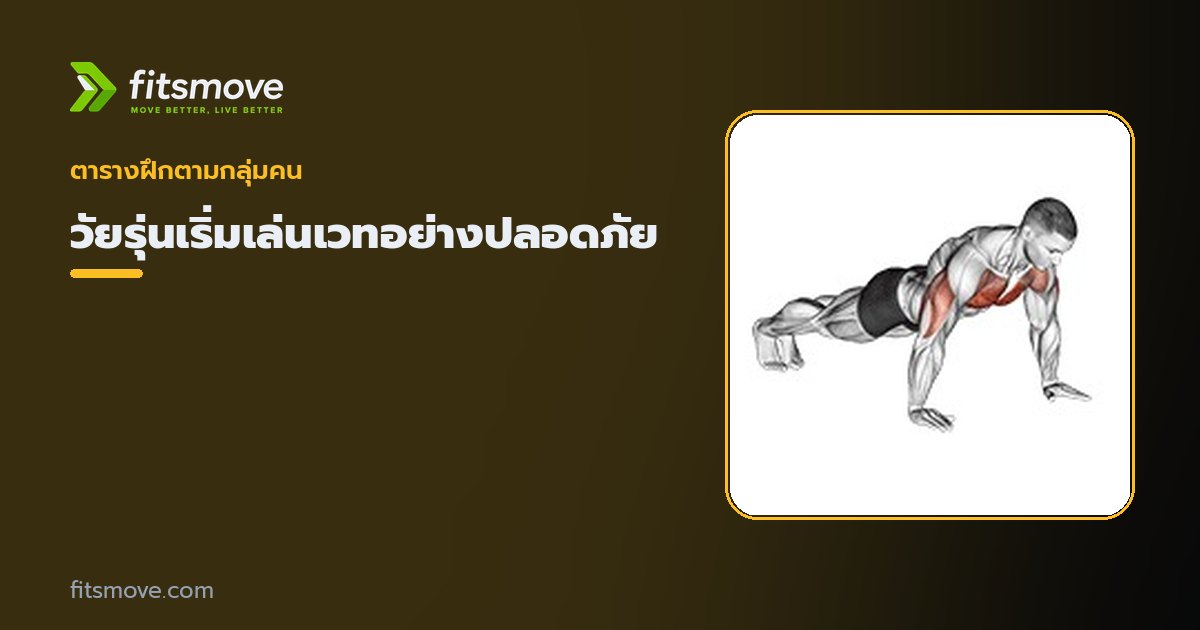
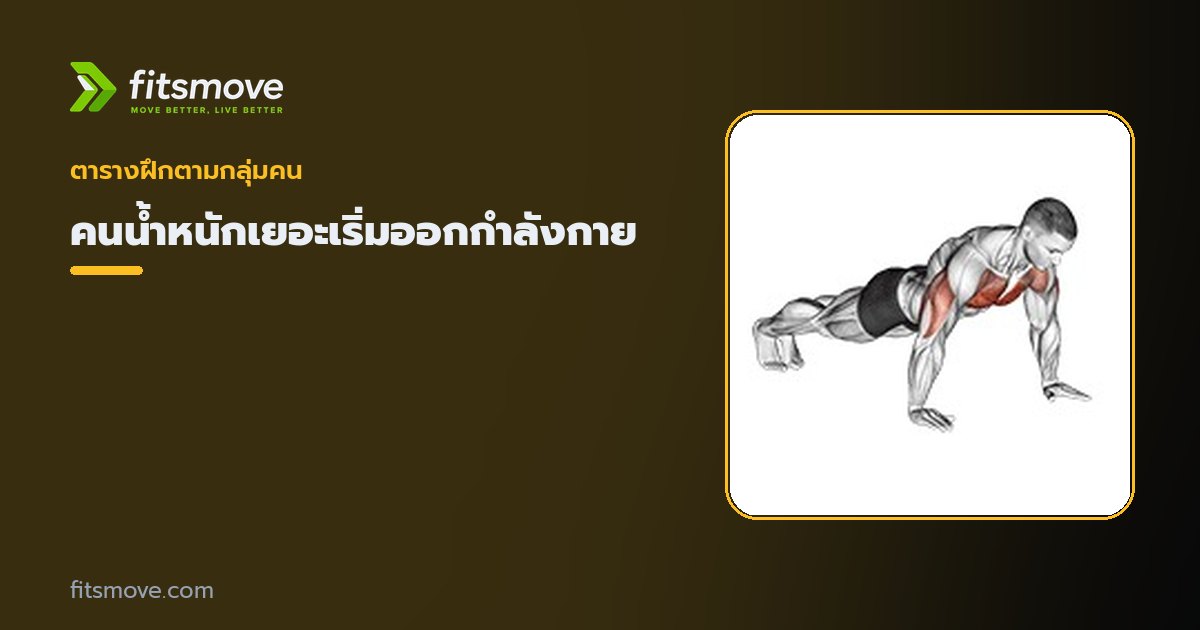
A push-up is a great example. Done against a wall or on a raised surface like a countertop, it becomes accessible while still training your chest, shoulders, and arms, and you lower the surface over time as you get stronger. The same scaling works for squats. A supported sit-to-stand from a sturdy chair teaches the goblet squat pattern safely, and you can progress from there. Our full-body bodyweight routine shows how to string these scaled movements together.
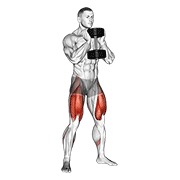
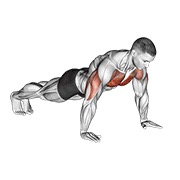
Keep the sessions short and controlled, focusing on clean movement rather than heavy load. Two short strength sessions a week is a fine starting point, and if you prefer structure, our home bodyweight program lays out beginner-friendly movements you can scale to your level.
Strength training to keep muscle
As you lose weight, some of the loss can come from muscle unless you give your body a reason to hold onto it. That reason is resistance training. Keeping your muscle matters for two big reasons: muscle supports your daily strength and mobility, and it helps keep your metabolism from dropping too far as the weight comes off.
You do not need heavy barbells to do this. Scaled bodyweight moves, resistance bands, and light dumbbells all provide enough stimulus for a beginner to preserve and even build a little muscle. Focus on the basic patterns: a squat or sit-to-stand, a push, a pull, and a hinge. As you get stronger, add small amounts of resistance. The idea of protecting muscle while losing fat is explored in keeping muscle while cutting, and it is a core reason strength work belongs in any fat-loss plan.
Pair this with enough protein at your meals, which helps your body preserve muscle during weight loss and keeps you feeling full, a link explained in protein and recovery.
Eat in a sustainable deficit
Fat loss comes down to eating slightly fewer calories than you burn over time, a state called a calorie deficit. But the word that matters most here is sustainable. Aggressive crash diets almost always backfire: they are miserable, they cost you muscle, and the weight tends to come straight back. A gentle, steady deficit is both kinder and more effective.
Aim for a modest deficit that lets you lose weight slowly, roughly half a kilogram or so a week for many people, while still eating enough to feel reasonably satisfied. Build meals around protein, vegetables, and whole foods, and do not try to cut everything you enjoy overnight. Our guide to calorie deficit basics explains how to set this up without overcomplicating it.
Think in terms of small, permanent changes rather than a temporary diet. Slightly smaller portions, more vegetables, fewer sugary drinks, and more protein add up to a deficit you can hold for months, which is exactly what lasting results require.
A sample weekly schedule
Here is a gentle, sustainable week that blends low-impact cardio with scaled strength and plenty of rest. Treat it as a template to adjust to your own starting fitness, and do not feel you must do everything at once.
| Day | Focus | Activity | Notes |
|---|---|---|---|
| Monday | Cardio | 15 to 30 min walk | Comfortable pace |
| Tuesday | Strength | Scaled bodyweight circuit | Wall push-ups, sit-to-stands |
| Wednesday | Cardio | Easy cycle or walk | Keep it light |
| Thursday | Rest | Gentle stretching | Recovery matters |
| Friday | Strength | Bands or light dumbbells | Squat, push, pull, hinge |
| Saturday | Cardio | Longer walk or swim | Enjoy it |
| Sunday | Rest | Full rest | Prepare for the week |
Notice there is nothing extreme here. The plan is built to be repeatable, which is the whole point. If a day feels like too much, scale it back rather than skipping training altogether. Progress comes from stacking manageable weeks on top of each other.
Make it sustainable, not extreme
The single biggest predictor of success is whether you can keep going. Crash efforts feel productive for a week or two and then collapse. A sustainable approach feels almost too easy at first, and that is exactly why it works over months and years. Aim for slow, steady progress and treat setbacks as normal rather than as failure.
Celebrate non-scale wins too: walking further without getting winded, climbing stairs more easily, sleeping better, and feeling stronger in daily life. These signs often appear before big changes on the scale and they are powerful motivation. Keep a simple record of your walks and workouts so you can see the trend. Above all, be patient and kind to yourself, and remember to check with a doctor if any health condition is part of your picture.
ข้อผิดพลาดที่พบบ่อย (common mistakes)
- Starting with high-impact exercise. Running and jumping strain the joints early on. Begin with low-impact walking and cycling.
- Crash dieting. Extreme calorie cuts cost you muscle and rarely last. Use a modest, sustainable deficit.
- Skipping strength work. Without it you can lose muscle along with fat. Scaled strength protects it.
- Doing too much too soon. A punishing first week leads to burnout. Build volume gradually.
- Judging progress by the scale alone. Energy, sleep, and daily ease often improve first. Track those too.
คำถามที่พบบ่อย (FAQ)
Is it safe to exercise if I am significantly overweight? For most people, gentle low-impact movement is safe and beneficial. That said, if you have any health condition such as heart, joint, or blood pressure issues, check with a doctor before starting, then begin slowly and build up.
Should I focus on cardio or weights? Both. Low-impact cardio drives calorie burn and heart health, while strength work protects your muscle as you lose fat. A blend of the two, as in the schedule above, works best.
How fast should I expect to lose weight? Slow and steady is the goal, often around half a kilogram a week. Faster loss usually costs muscle and rarely lasts, so aim for a pace you can sustain for months.
สรุป (summary)
Starting from a higher weight is not a barrier, it is simply a starting point, and a sustainable plan will take you a long way. Begin with low-impact movement to protect your joints, add scaled bodyweight and light strength work to keep your muscle, and eat in a gentle, livable deficit built on small permanent changes. Track your progress, celebrate the non-scale wins, and stay patient. This is general educational guidance, not medical advice, so please involve a doctor if you have any health condition.
Ready to take the first step? Read calorie deficit basics to set up your eating, choose your movement using our best cardio for fat loss guide, and follow a gentle beginner program to keep it simple and structured. Go for a comfortable walk this week and start building the habit.
Ready to put this into action? Start with a program for your level.
View programs →