Pre- and post-workout nutrition for beginners
When you start training, it is easy to feel overwhelmed by nutrition advice. The truth for most beginners is simpler than the internet makes it sound. A few sensible habits around your workout will help you feel better, train harder, and recover well - and you do not need to be perfect to get the benefits. This guide covers what to eat before and after training, how timing actually works, why hydration matters more than any supplement, and how to keep the whole thing relaxed instead of stressful.
Why nutrition around training matters
Food does two main jobs for your workouts. Before training, carbohydrates top up the fuel your muscles burn during hard sets, so you have steady energy instead of fading halfway through. After training, protein supplies the building blocks your body uses to repair and build muscle, while carbohydrates refill your energy stores for next time.
None of this requires precision. Your overall eating across the week matters far more than any single meal. Think of pre- and post-workout nutrition as small adjustments that make good habits a little more effective, not as a rigid system you can fail.
It also helps to know what the science genuinely supports versus what is marketing. Total daily protein and total daily calories drive most of your results. Meal timing has a real but smaller effect - useful to dial in once the basics are solid, but not worth stressing over when you are just starting. Keep that hierarchy in mind and you will spend your energy where it actually counts.
Eating before your workout
The goal of a pre-workout meal is to give you steady energy without leaving you heavy or sluggish. Focus on carbohydrates for fuel, with a little protein, and keep fat and fibre moderate so digestion is comfortable.
- A larger meal (rice or noodles with some chicken, eggs, or tofu) works well 2–3 hours before training.
- A lighter snack (a banana, a piece of toast, or some yoghurt) is fine 30–60 minutes before.
If you train first thing in the morning and prefer not to eat much, that is okay too. Just notice how your energy feels and adjust over time. There is no single rule that fits everyone. This holds whether you are lifting weights or heading out for cardio - a little fuel beforehand usually helps you get more out of the session.
Eating after your workout
After training, your body is ready to rebuild. Aim to eat a meal with protein to support muscle repair and carbohydrates to top up energy. Something like rice with grilled fish and vegetables, or eggs with toast and fruit, covers both nicely.
You do not need to rush to eat within minutes of finishing. The old idea of a narrow "anabolic window" that slams shut 30 minutes after training has been heavily overstated. A relaxed window of an hour or two is perfectly fine for most people, and if you ate a solid meal a couple of hours before training, you have even more leeway. Protein matters across your whole day, not just right after a session - our guide on protein and recovery explains how to spread it out so each meal contributes to recovery.
A practical target many beginners find helpful is to include a palm-sized portion of protein in each main meal and to make sure one of those meals lands within a few hours of training. That alone covers the vast majority of what your muscles need to repair and grow.
Simple meal examples
You do not need special foods. The table below shows easy, everyday options that fit before and after training.
| Timing | Easy option | Why it works |
|---|---|---|
| 2–3 hours before | Rice with chicken and veg | Steady carbs plus protein, time to digest |
| 30–60 min before | Banana or toast | Quick, light carbs for energy |
| Within 1–2 hours after | Eggs, toast, and fruit | Protein to repair, carbs to refuel |
| Anytime after | Yoghurt with fruit | Convenient protein and carbs |
Don't forget water
Hydration is the part people skip most, yet it affects how you feel and perform more than any supplement. Drink water through the day, sip during your session, and keep drinking afterwards, especially if you sweat a lot or do longer cardio work. Even mild dehydration can make weights feel heavier and your focus weaker.
A simple check: pale yellow urine usually means you are well hydrated. Dark colour is a sign to drink more. You do not need to count litres - just keep water nearby and sip regularly.
In a warm climate, or if you train in a gym without strong air conditioning, you will lose more fluid through sweat than you might expect, so drink a little more on those days. If you train for longer than an hour or sweat heavily, plain water is still fine for most people; you do not need fancy electrolyte drinks unless your sessions are very long or intense. Building the habit of carrying a water bottle to every workout is one of the easiest wins in this entire guide.
Keep it relaxed, not stressful
The biggest mistake beginners make is treating nutrition like an exam they can fail. You do not need exact timing, fancy supplements, or a perfect diet to make progress. Consistency over weeks beats perfection on any single day.
Start with these basics:
- Eat enough overall, with protein in most meals.
- Have some carbs around training for energy.
- Drink water regularly.
- Adjust based on how you feel, not on strict rules.
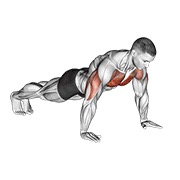
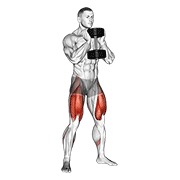
These habits support the training itself, whether you are following a beginner program or just learning the lifts. Good food makes a hard set of a goblet squat or a tough set of push-ups feel a little more manageable.
ข้อผิดพลาดที่พบบ่อย (common mistakes)
- Training fasted by accident. Skipping food and then wondering why you are exhausted. A small snack often fixes it.
- Obsessing over the "anabolic window." Sprinting to drink a shake the second you finish is unnecessary. A meal within a couple of hours is plenty.
- Forgetting to drink. Dehydration quietly drags down every session. Keep water with you.
- Relying on supplements over meals. Real food covers the basics first; supplements are optional extras.
- All-or-nothing thinking. One imperfect meal does not undo your progress. Consistency is what counts.
คำถามที่พบบ่อย (FAQ)
Do I need a protein shake right after my workout? No. A shake is a convenient option, but a normal meal with protein within a couple of hours does the same job. What matters most is getting enough protein across the whole day.
Can I work out on an empty stomach? Yes, many people train fine in a fasted state, especially in the morning. If your energy or strength drops noticeably, try a small carb snack beforehand and see if it helps.
What should I eat before an evening workout after work? A light snack like a banana, toast, or yoghurt 30–60 minutes before usually works well, with a proper meal afterwards. Adjust portions based on how your stomach feels during training.
สรุป (summary)
Keep it simple: eat enough overall with protein in most meals, have some carbs around training, drink water regularly, and adjust based on how you feel rather than strict rules. Timing helps a little, but consistency over weeks is what truly drives results.
Build these habits gently and let them become routine. For the bigger picture on getting started the right way, see our beginner guide, and when you are ready to put the energy to use, browse our training programs and pick one to follow this week.
Ready to put this into action? Start with a program for your level.
View programs →