Office and desk workouts
Most of us spend the working day in one position: seated, shoulders rounded, eyes forward, barely moving for hours at a time. The body was not built for that, and it lets you know with a stiff neck, an aching lower back, tight hips, and an afternoon energy crash. The good news is that you do not need a gym or even gym clothes to fight back. A handful of movements scattered through the day, done right at your desk or in a quiet corner, can loosen the tension, wake up your muscles, and leave you feeling sharper. This article gives you break-time stretches, light bodyweight moves, a simple workday schedule, and specific fixes for the neck and back pain that long sitting creates.
Why sitting all day hurts
When you sit for hours, some muscles switch off and others tighten. Your hip flexors shorten, your glutes go quiet, your upper back rounds forward, and your neck cranes toward the screen. Over weeks and months this pattern becomes your default posture, and that is when the aches settle in. Movement is the antidote. You do not need to fix everything in one heroic gym session after work. Small, frequent breaks that reverse the seated shape do more for how you feel than a single hard workout ever could. Think of the strategies here as active recovery woven straight into your day.
Break-time stretches
Every hour or two, stand up and spend two minutes undoing the seated position. These stretches target exactly the areas that tighten at a desk. Hold each one for 20 to 30 seconds and breathe slowly.
- Chest opener: clasp your hands behind your back and lift gently to counter rounded shoulders.
- Neck release: tilt your ear toward one shoulder, then the other, easing the tension from screen time.
- Hip flexor stretch: step one foot back into a lunge and push your hips forward to open the front of the hip.
- Seated spinal twist: rotate gently in your chair to free a stiff back.
- Wrist and forearm stretch: extend one arm and pull the fingers back to relieve typing strain.
These are static stretches, best used to release tension rather than to warm up for hard effort. For why the timing matters, read dynamic versus static stretching.
Light bodyweight moves at your desk
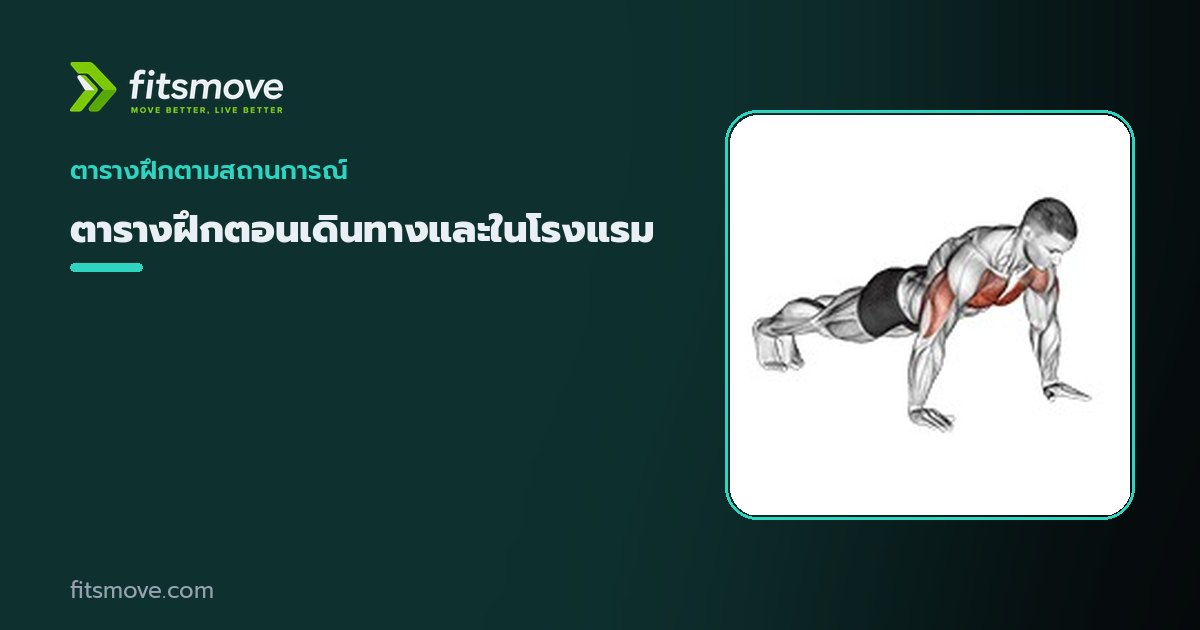
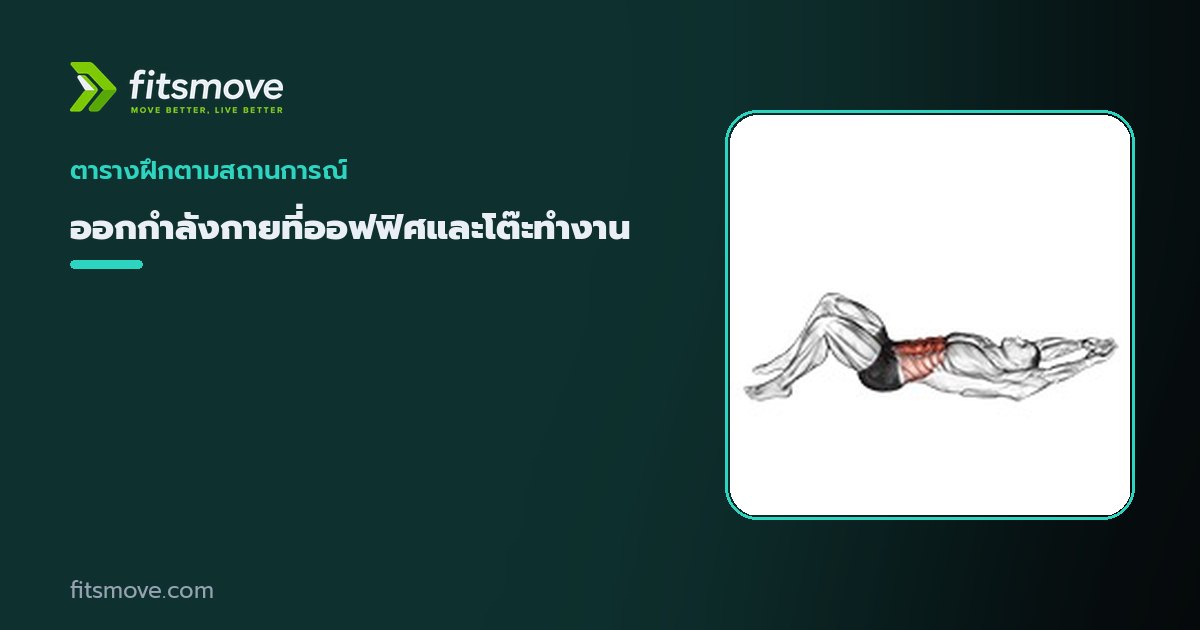
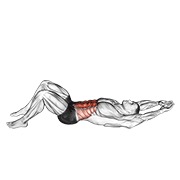
A stretch releases tension, but a little strength work wakes the muscles that sitting switches off. You can do these in work clothes without breaking a sweat. Chair squats stand you up and sit you down under control, firing the glutes. Calf raises at your desk pump blood back up your legs. Desk push-ups, hands on the edge of a sturdy desk, work your chest and arms. Standing knee raises gently engage your core. A few slow reps of each, once or twice a day, add up to real movement without a gym. When you have more time and space, a floor set of crunches reinforces the core that holds your posture together.
A workday movement schedule
You do not need to remember all of this at once. Anchor movement to points in your day that already happen, and it becomes automatic. Here is a simple structure to follow.
| Time | Action | Duration |
|---|---|---|
| Every hour | Stand and walk | 2-3 min |
| Mid-morning | Break-time stretches | 3 min |
| Before lunch | Chair squats and calf raises | 2 min |
| After lunch | Short walk | 5-10 min |
| Mid-afternoon | Neck and back release | 3 min |
| End of day | Hip flexor and chest stretch | 3 min |
None of these blocks disrupts your work. Together they add up to 20 or 30 minutes of movement spread across the day, which changes how your body feels by the time you get home. Set a quiet reminder if you tend to lose track of time in focused work.
Fixes for a stiff neck and back
Neck and lower-back tightness are the two most common desk complaints, and both respond well to targeted movement. For the neck, combine the ear-to-shoulder tilt with gentle chin tucks, drawing your head straight back over your spine to undo the forward crane toward the screen. Set your monitor at eye level so you stop leaning in. For the lower back, the hip flexor stretch is key, because tight hips from sitting pull on the lower back. Add gentle seated twists and stand up often. A strong core supports the spine through the day, so the light bodyweight work above pays off here too. If pain is sharp, persistent, or radiating rather than the ordinary stiffness of sitting, treat that as a signal to check with a professional.
Build the habit
The hardest part of moving at work is not the movements, it is remembering to do them. Tie each break to something that already happens: stand when a call starts, stretch while the kettle boils, walk after lunch. Habits stick when they attach to existing routines rather than relying on willpower. Start with just one or two breaks a day so it feels easy, then add more as they become second nature. Consistency beats intensity here. A short stretch you actually do every day beats an ambitious routine you abandon by Wednesday. Over a few weeks, these small movements become the reason you feel better at 4 p.m. than you used to at noon.
Common mistakes
- Waiting for pain to move. Break up sitting before you feel stiff, not after. Prevention is easier than repair.
- One long session instead of frequent breaks. An after-work gym trip is great, but it does not undo eight hours of stillness. Move throughout the day too.
- Bad monitor height. A screen below eye level pulls your neck forward all day. Raise it.
- Skipping the walk after lunch. A short walk aids digestion and resets your posture and focus.
- Forcing a stretch. Ease into each position. Stretching should feel like release, never sharp.
- Relying on memory. Without a reminder, focused work swallows the whole day. Set a gentle nudge.
Frequently asked questions (FAQ)
Do desk exercises actually replace a real workout? No, and they are not meant to. They fight the harm of sitting and keep you mobile and energized. Pair them with structured training for strength and fitness. See our programs for that side.
How often should I get up from my desk? Aim to stand and move for a couple of minutes at least once an hour. Even a short lap of the office resets your posture and circulation.
Can these fix my back pain? For the ordinary stiffness of sitting, regular movement and stretching help a great deal. For sharp, persistent, or radiating pain, treat it as a signal to check with a professional.
Summary
A desk job does not have to leave you stiff and drained. Stand and move every hour, stretch the areas that sitting tightens, add a few light bodyweight moves, and anchor it all to points in your day so it becomes automatic. Target the neck and back specifically, and set up your screen so you stop leaning in. These small efforts, repeated daily, change how your body feels far more than any single session. When you are ready to build real strength on top of staying mobile, follow one of our programs. If any pain is sharp or persistent, stop and consider checking with a professional.
Ready to put this into action? Start with a program for your level.
View programs →